FAS-200 - Flexible assembly system
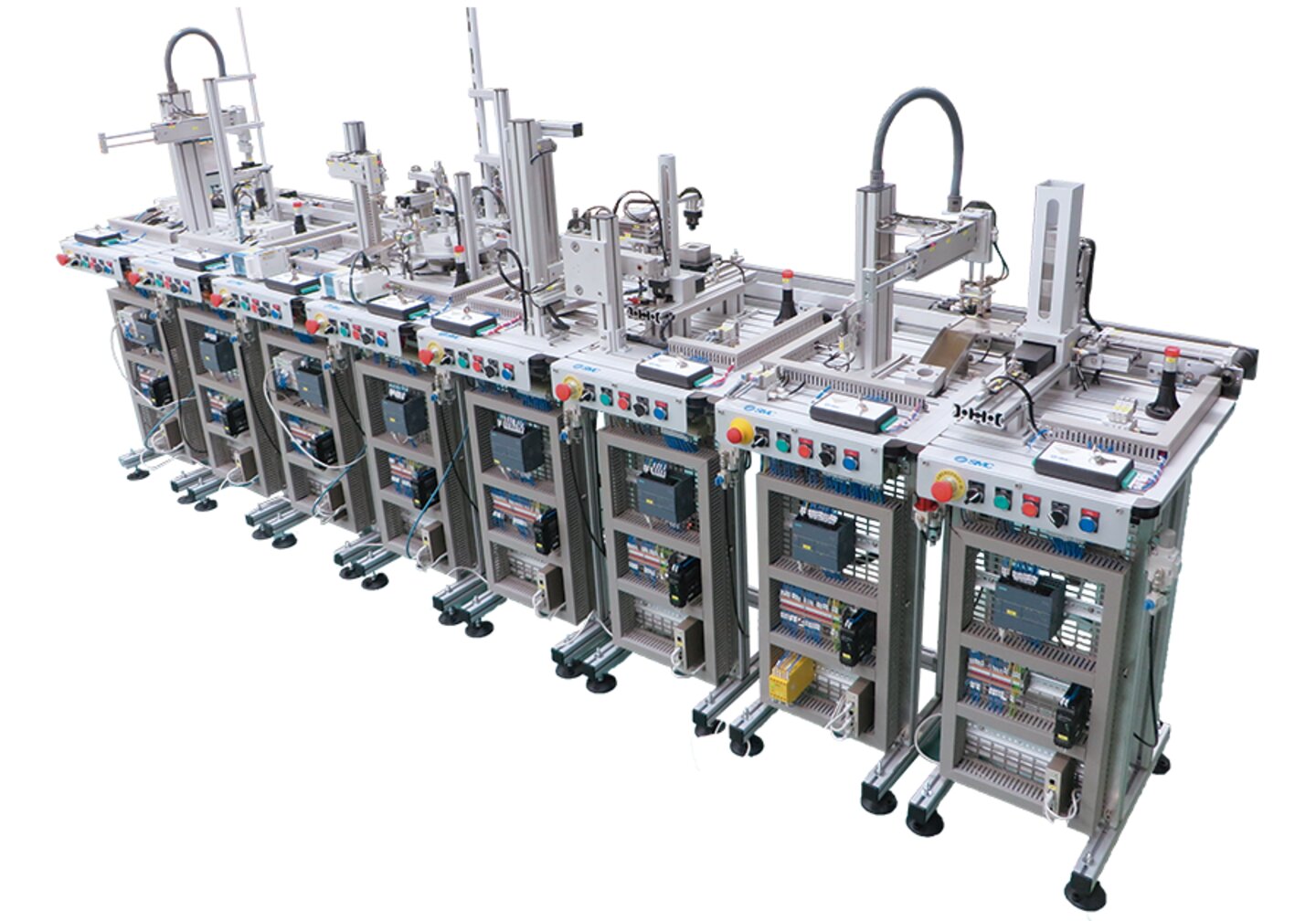
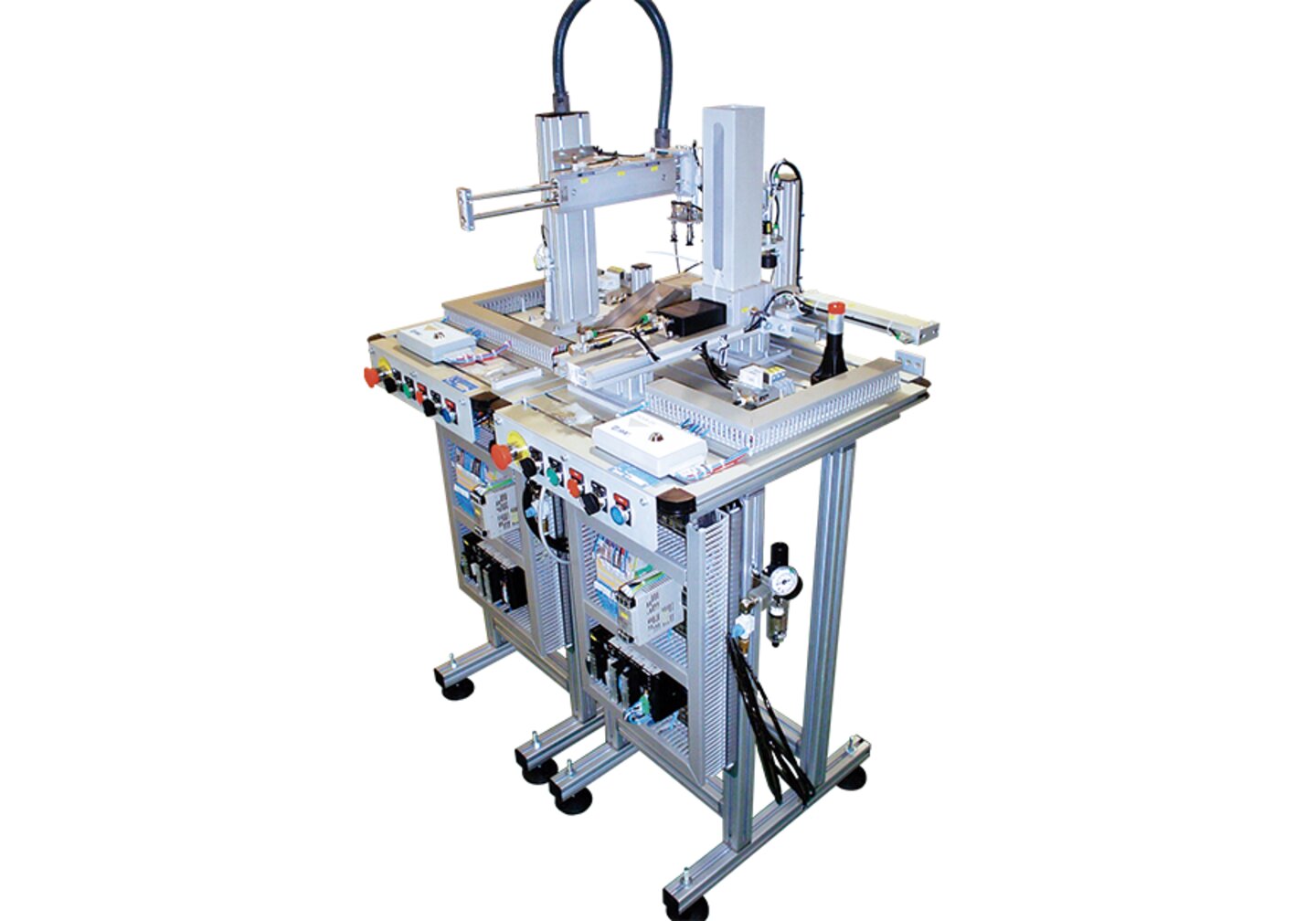
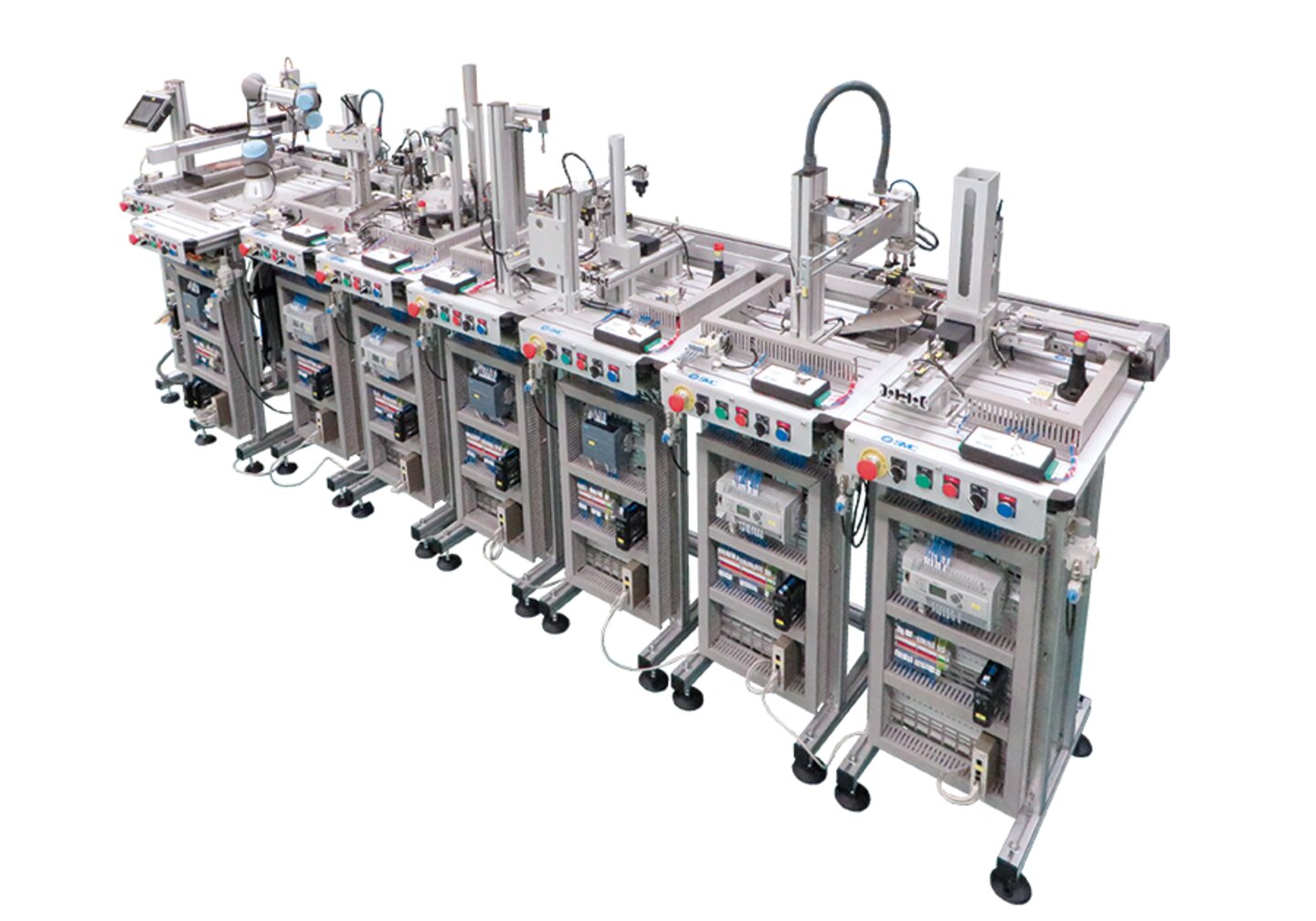
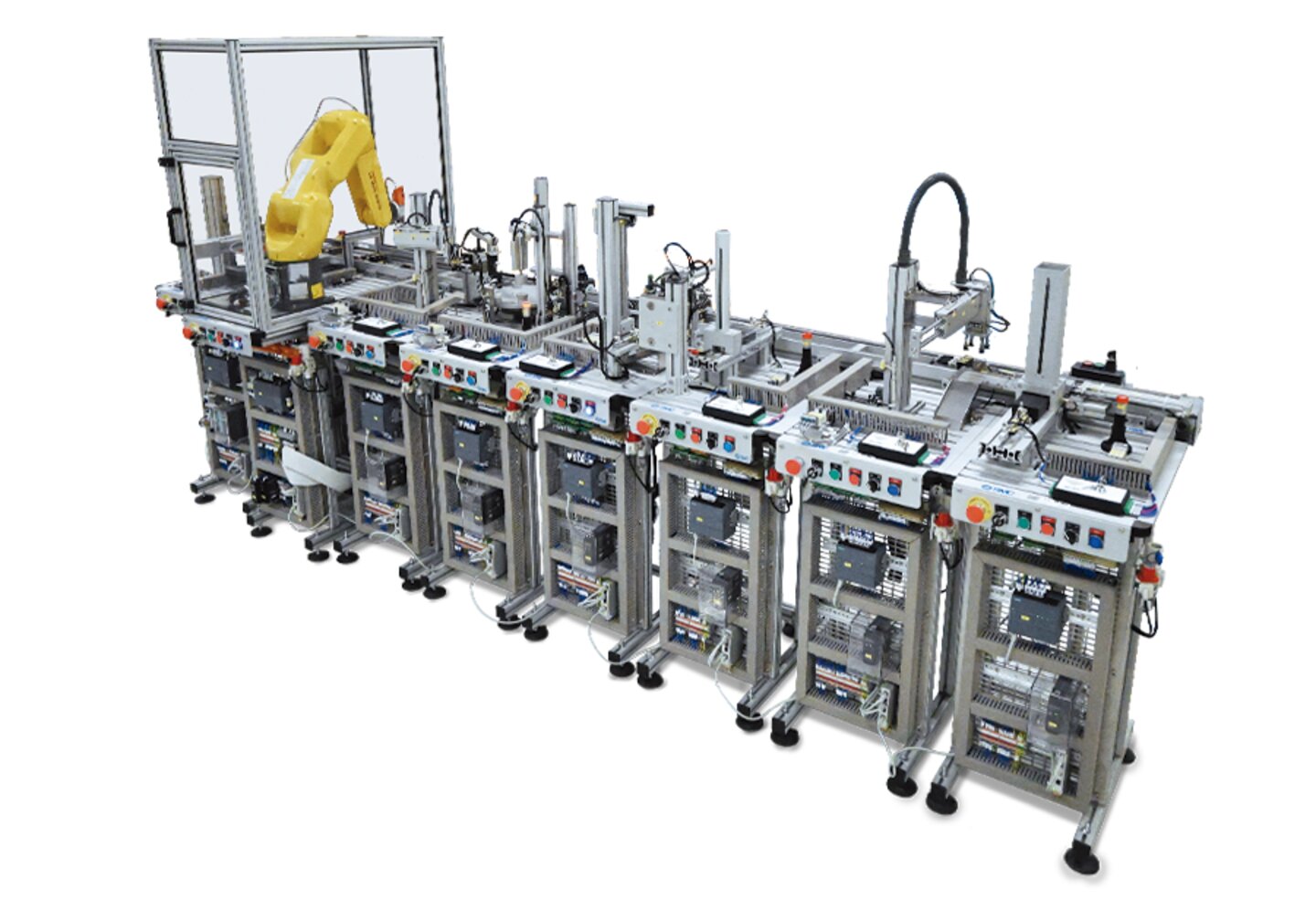
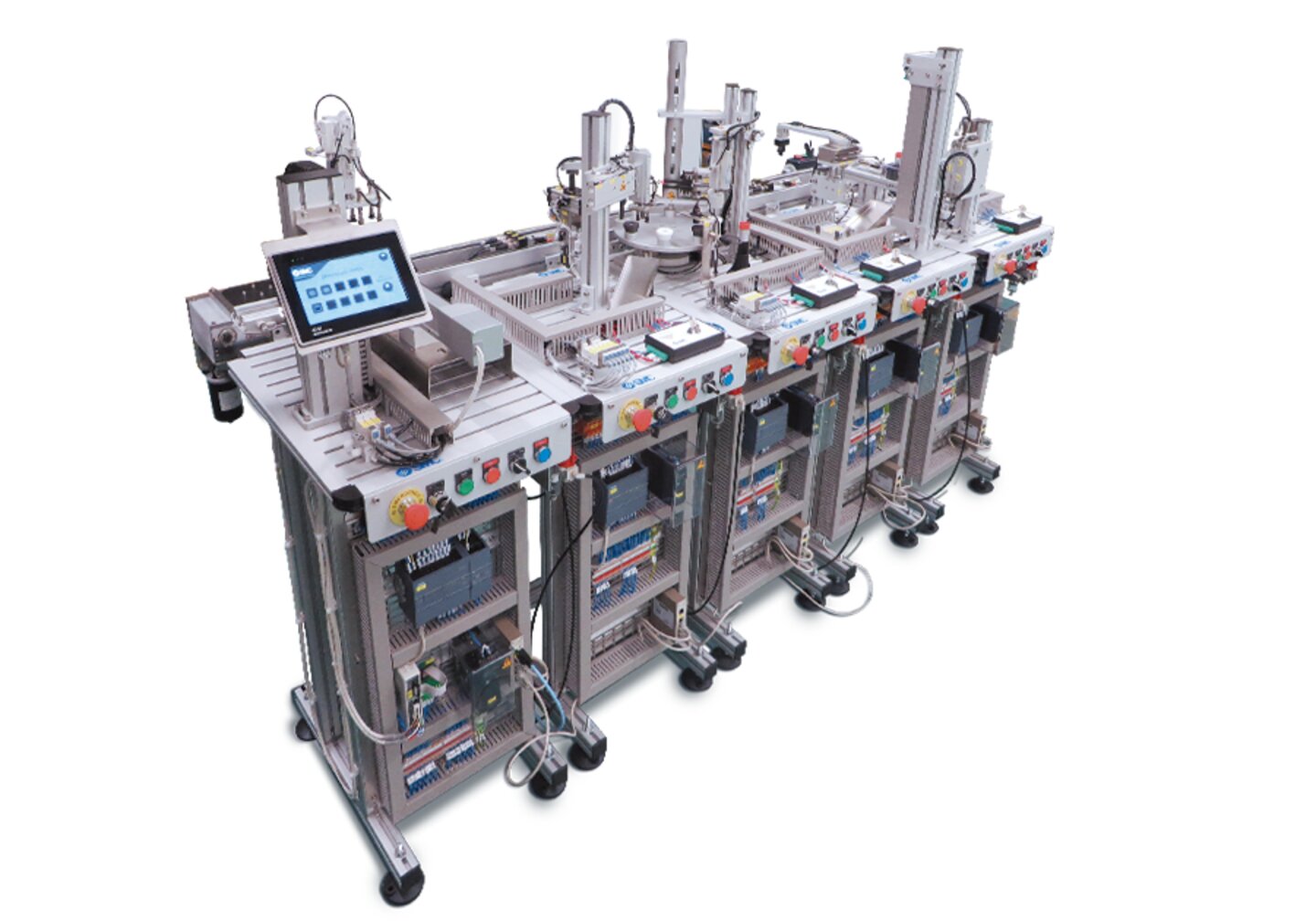
FAS-200 - Flexible and compact didactic equipment for mechatronics and automation skills training. Many technologies in the same system.
FAS-200 - Flexible and compact didactic equipment for mechatronics and automation skills training. Many technologies in the same system.
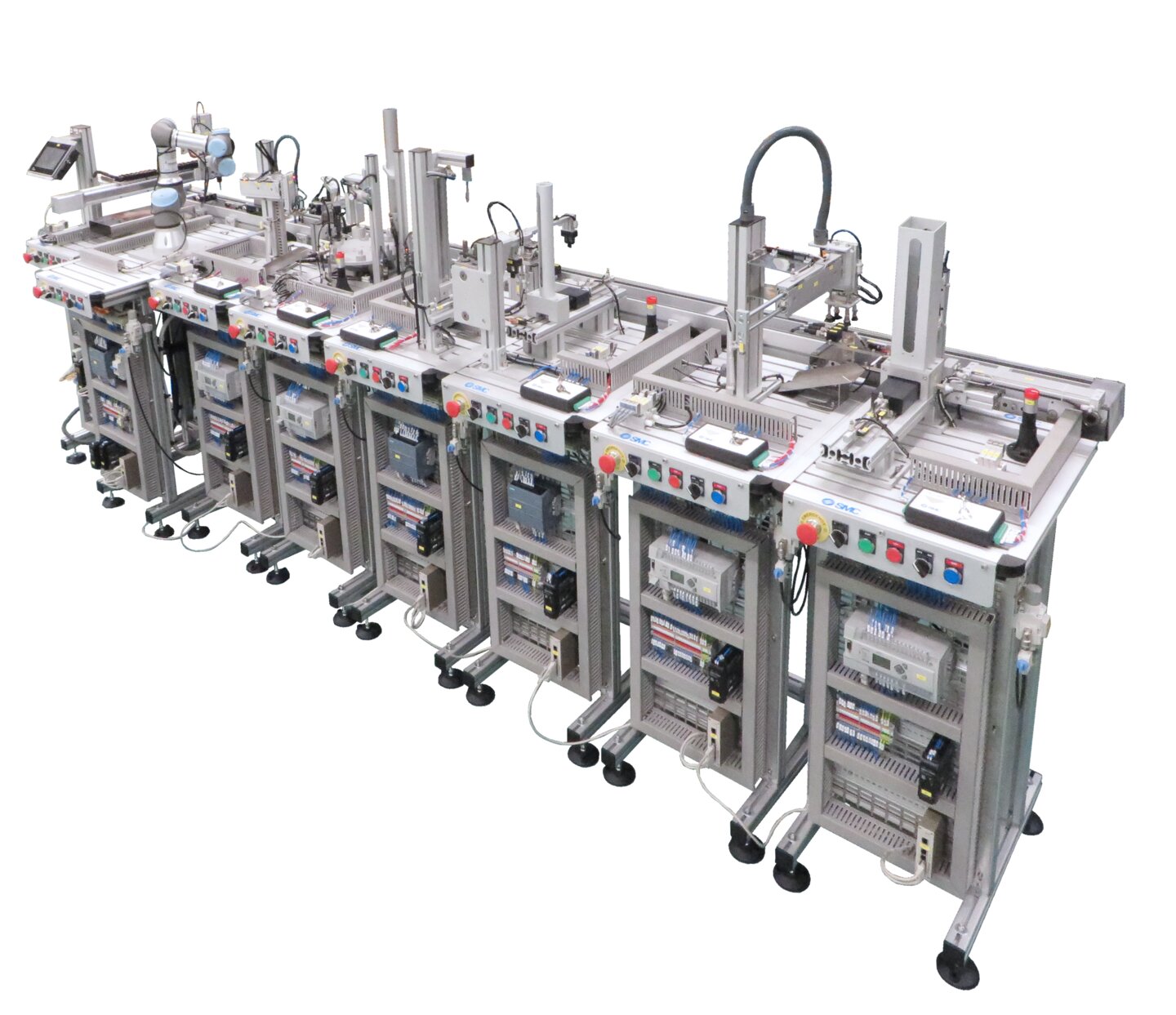
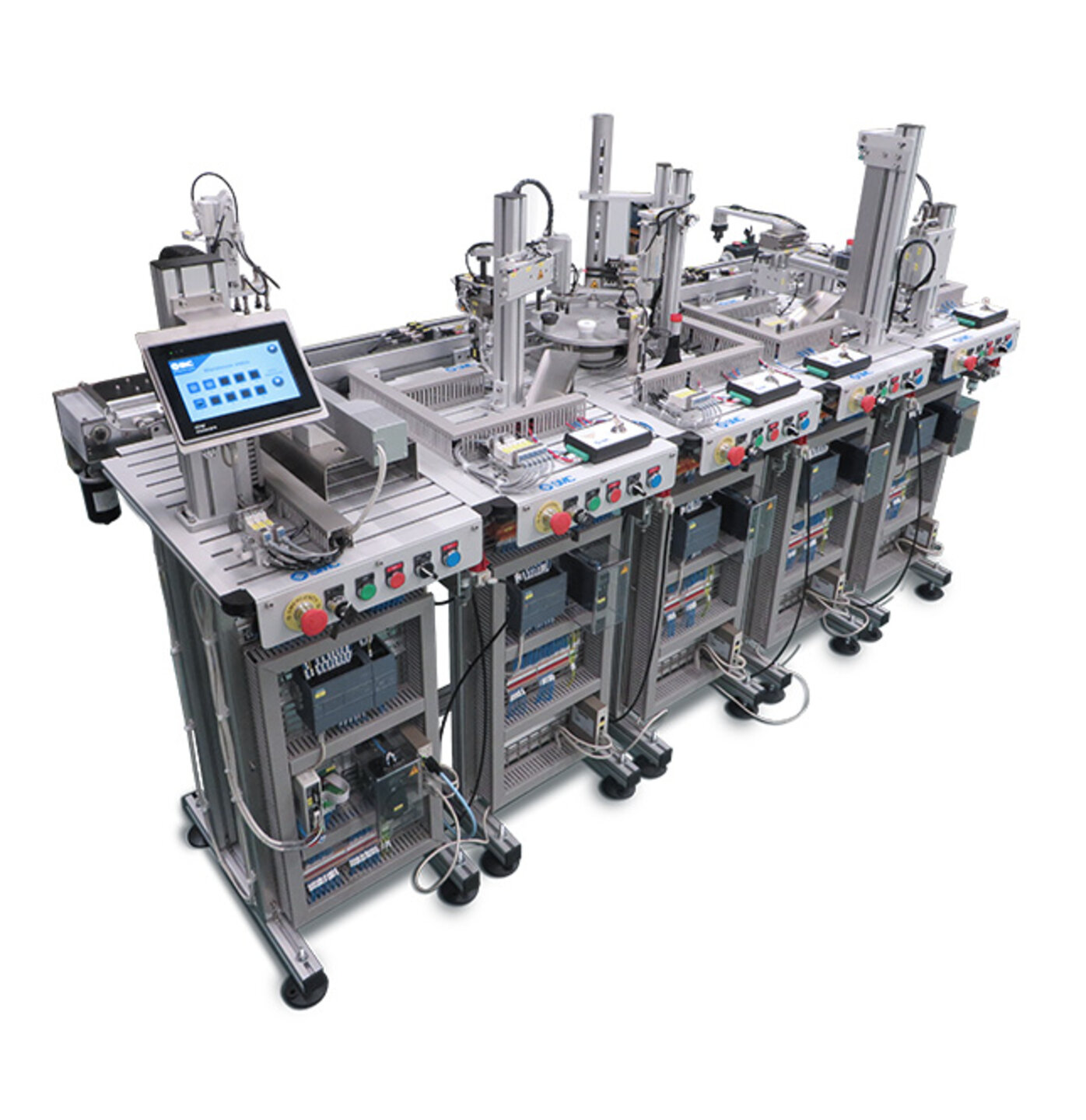
Image gallery
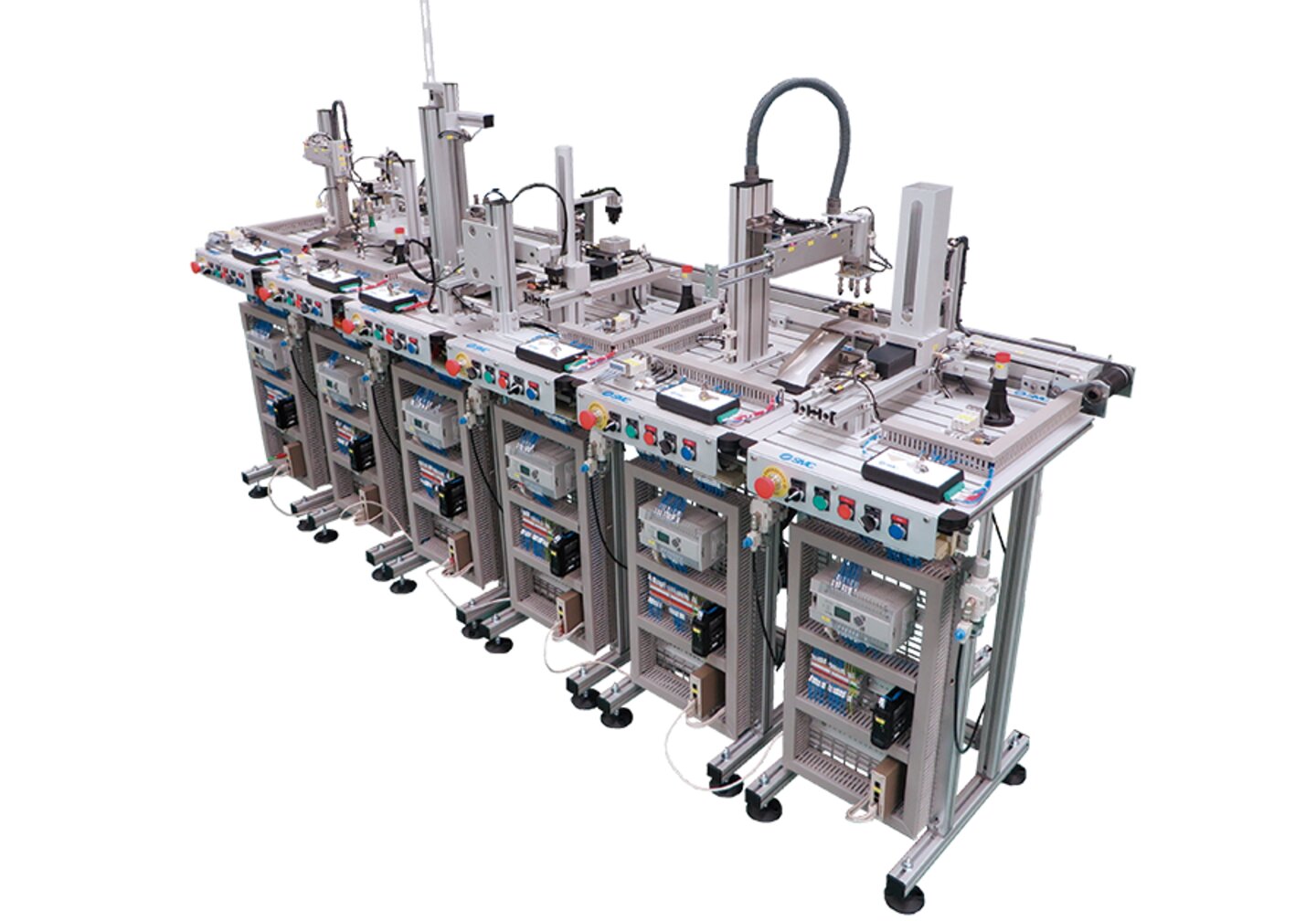
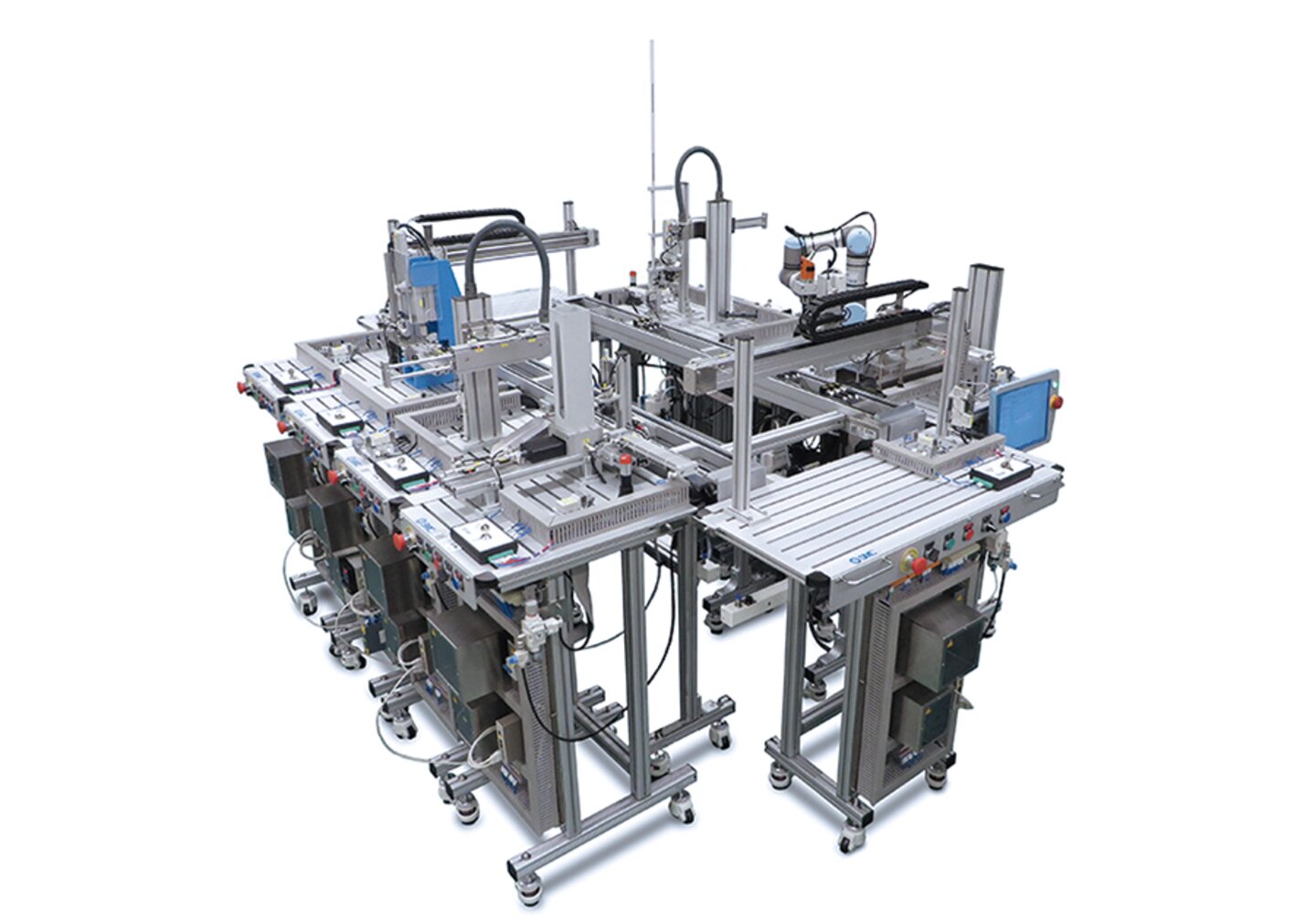
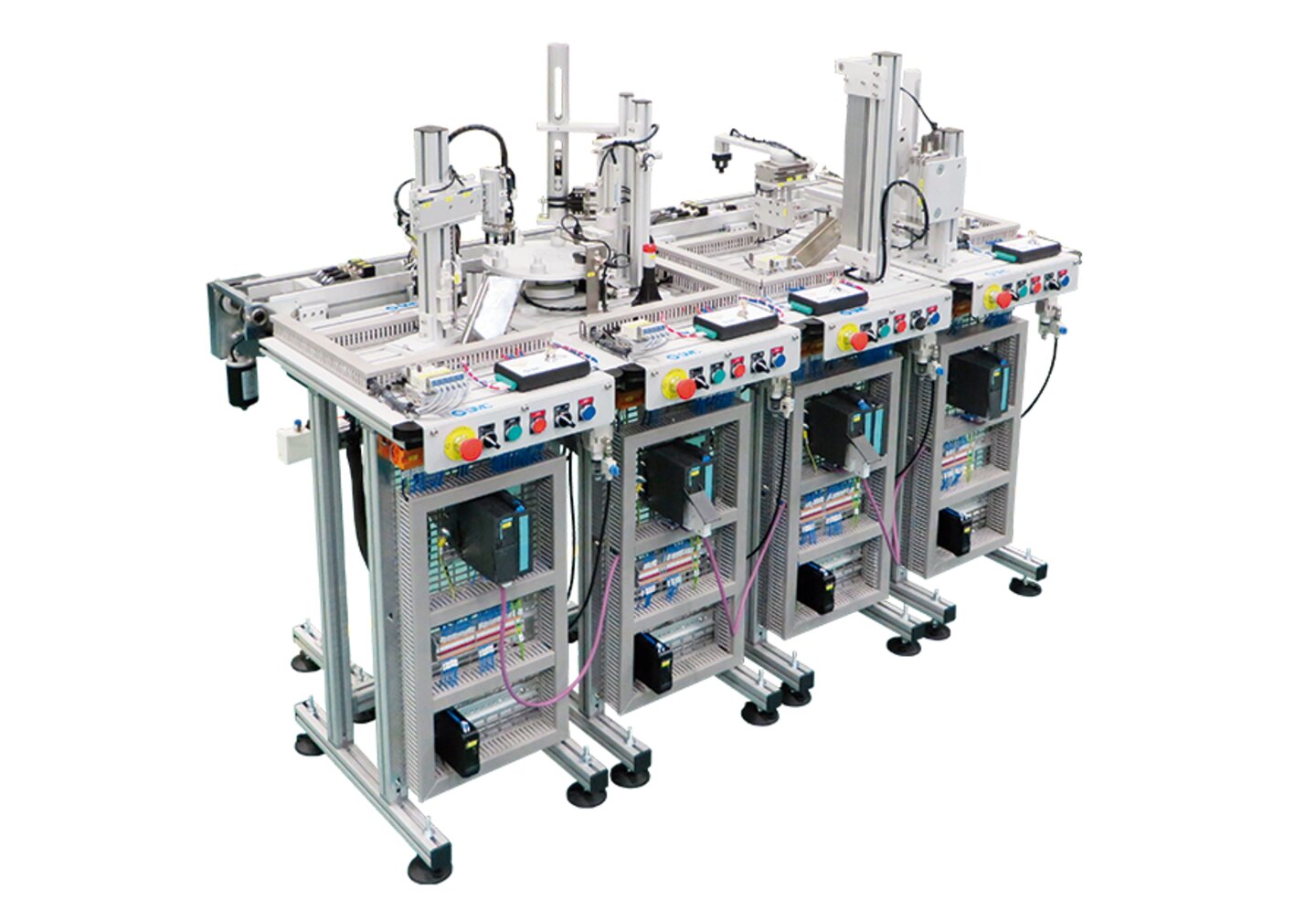
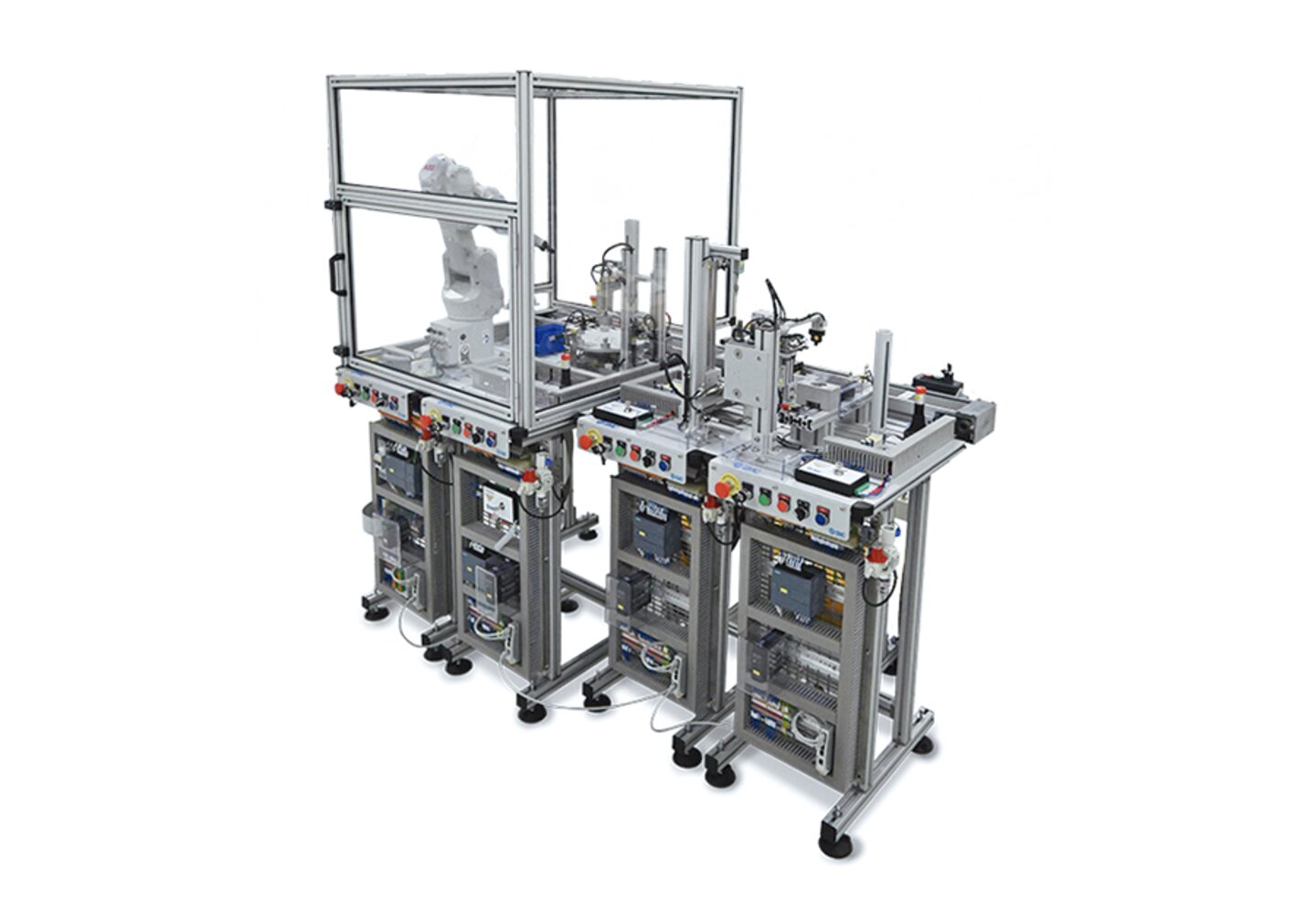
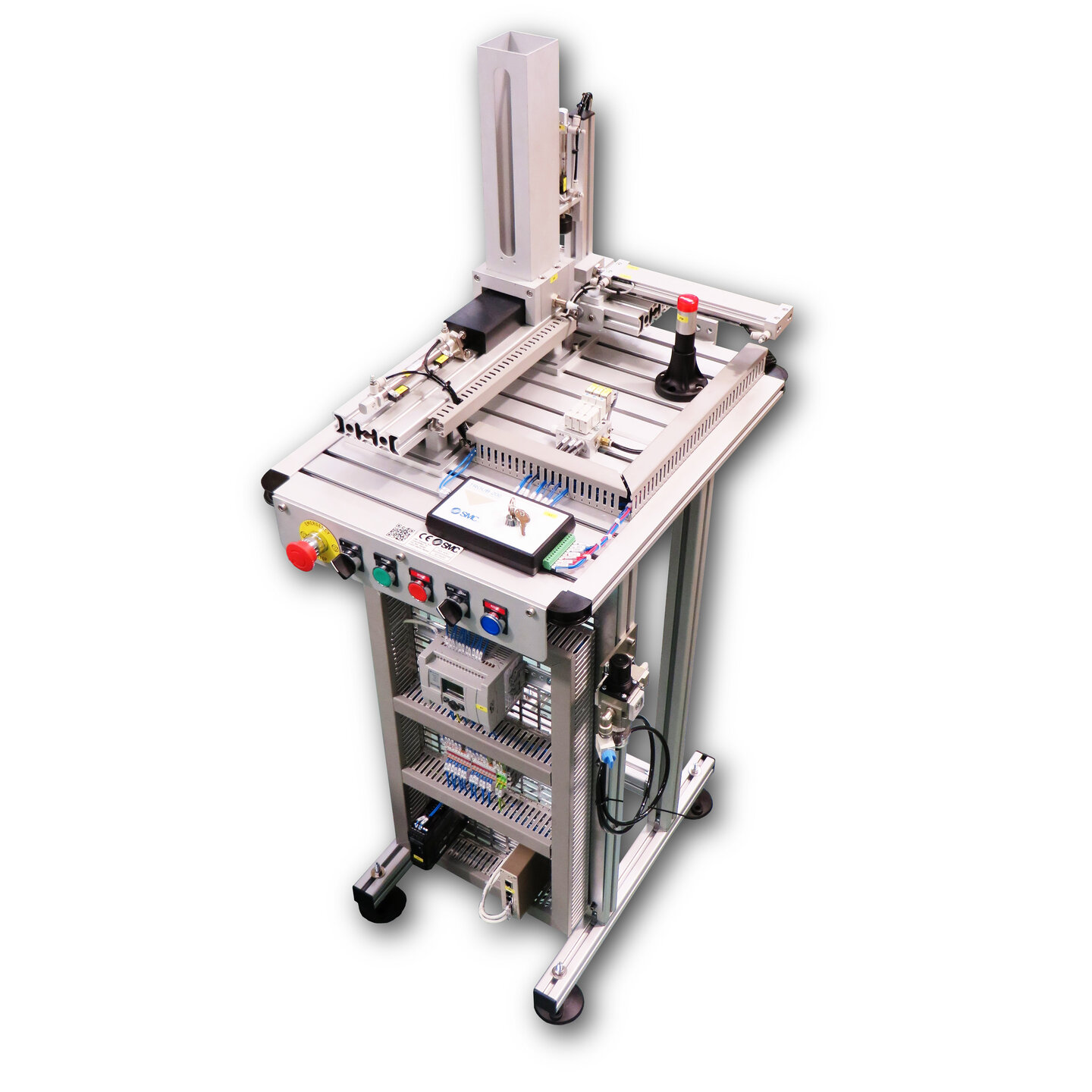
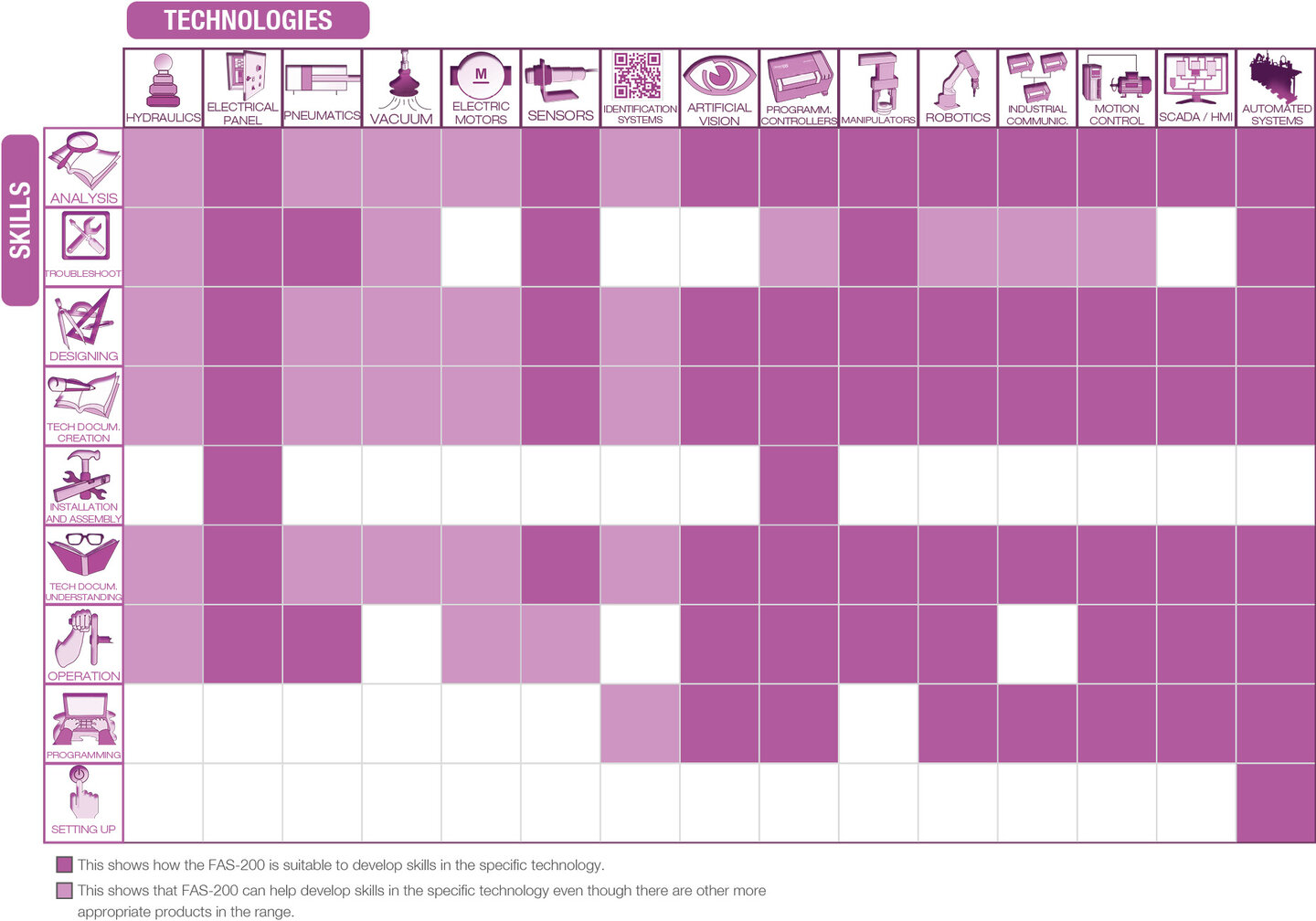
With this system you could...
Programmable Logic controller (PLC) technology refers to the use of programmable industrial electronic devices designed to automate and control processes and machines, executing logical, sequential and timed instructions from sensor inputs and reliably generating control outputs in industrial environments.
Set of electrical systems and components arranged within an enclosure or cabinet, intended for the distribution, protection, and control of electrical energy within an automated process. It includes elements such as switches, protective devices, contactors, relays, terminals, and control devices that enable the safe and efficient operation of machines and industrial systems.
Set of systems and techniques that use compressed air to generate, transmit, and control energy within an automated process. It includes components such as compressors, valves, actuators, and maintenance units that enable driving, regulating, and sequencing movements, ensuring efficiency, reliability, and safety in the execution of industrial tasks.
Set of devices designed to detect and measure physical or chemical variables within an automated process, transforming them into signals that can be interpreted by control systems. It includes sensors for position, proximity, temperature, pressure, or flow, enabling the acquisition of process status information and facilitating its monitoring, control, and optimization.

Industrial coding is the process by which a unique identifier is assigned to each piece of equipment, product, item or system within a company. Industrial labels and other elements such as cards or signs offer a fast and reliable solution for the identification of equipment and facilities. They are systems such as RFID, BCR, NFC and QR.

Set of devices responsible for converting electrical energy into mechanical energy to generate motion within an automated process. It includes different types of motors and drive elements that allow the adjustment of speed, torque, and position, enabling precise and efficient control of machines and industrial systems.
Set of systems and techniques that use vacuum as a means to handle, hold, and transport objects within an automated process. It includes components such as vacuum generators, suction cups, valves, and sensors that enable safe, precise, and efficient handling operations, especially in pick-and-place, packaging, and material handling applications, improving productivity and process reliability.

Set of systems and techniques that enable the capture, processing, and analysis of images to extract relevant information within an automated process. It integrates cameras, sensors, lighting, and processing software that allow inspection, identification, and control of objects, improving quality, precision, and efficiency in industrial applications.

Set of systems and techniques that use pressurized fluids, typically oil, to generate, transmit, and control energy within an automated process. It includes components such as pumps, valves, actuators, and accumulators that enable driving, regulating, and controlling movements with high force and precision, ensuring reliability, safety, and efficiency in demanding industrial applications.
Set of mechanical devices designed to move, position, and manipulate parts or tools within an automated process. These systems, which can be manual, assisted, or robotic, make it possible to carry out tasks such as transport, assembly, loading and unloading, or packaging, improving process precision, repeatability, and efficiency, while reducing human effort and increasing productivity.
Set of systems and technologies responsible for the design, control, and application of industrial robots for the automatic execution of tasks within an automated process. It includes components such as manipulators, controllers, sensors, and tools that enable operations to be carried out in a precise, flexible, and repeatable way, improving productivity, quality, and safety in industrial environments.
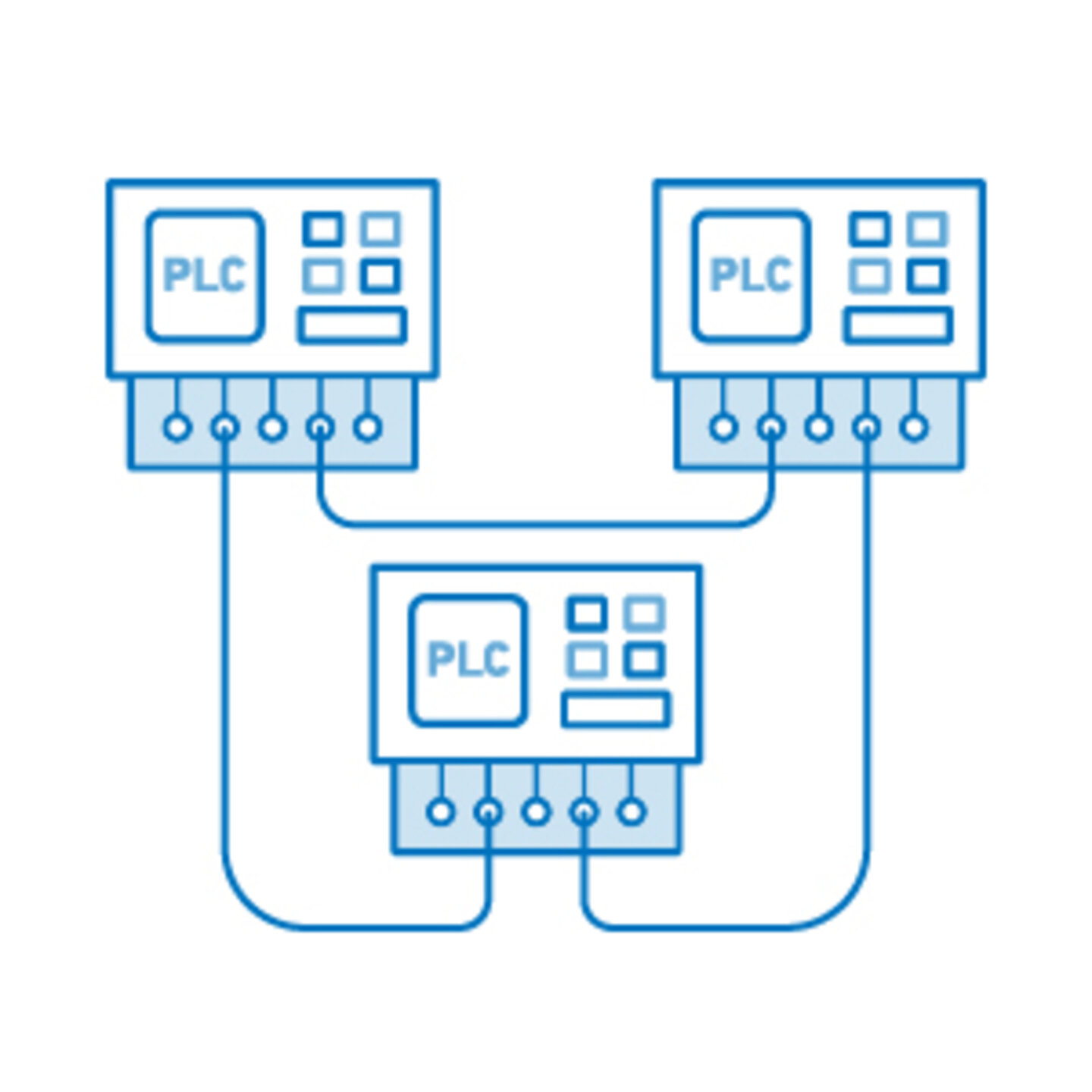
Industrial communication refers to a data transmission system designed to enable communication between field devices, such as sensors, actuators, and controllers, and the monitoring and control systems in industry.
Set of systems and techniques responsible for regulating and coordinating the displacement, speed, position, and acceleration of moving elements within an automated process. It is based on the integration of devices such as motors, drives, sensors, and controllers, enabling the execution of precise, synchronized, and repeatable movements, optimizing performance, process quality, and system efficiency.
SCADA (supervisory control and data acquisition) is a control system architecture comprising computers, networked data communications and graphical user interfaces for high-level supervision of machines and processes. They enable real-time data collection, equipment status monitoring, system interaction, and the management of alarms and events, facilitating decision-making and improving operational control in automated environments.
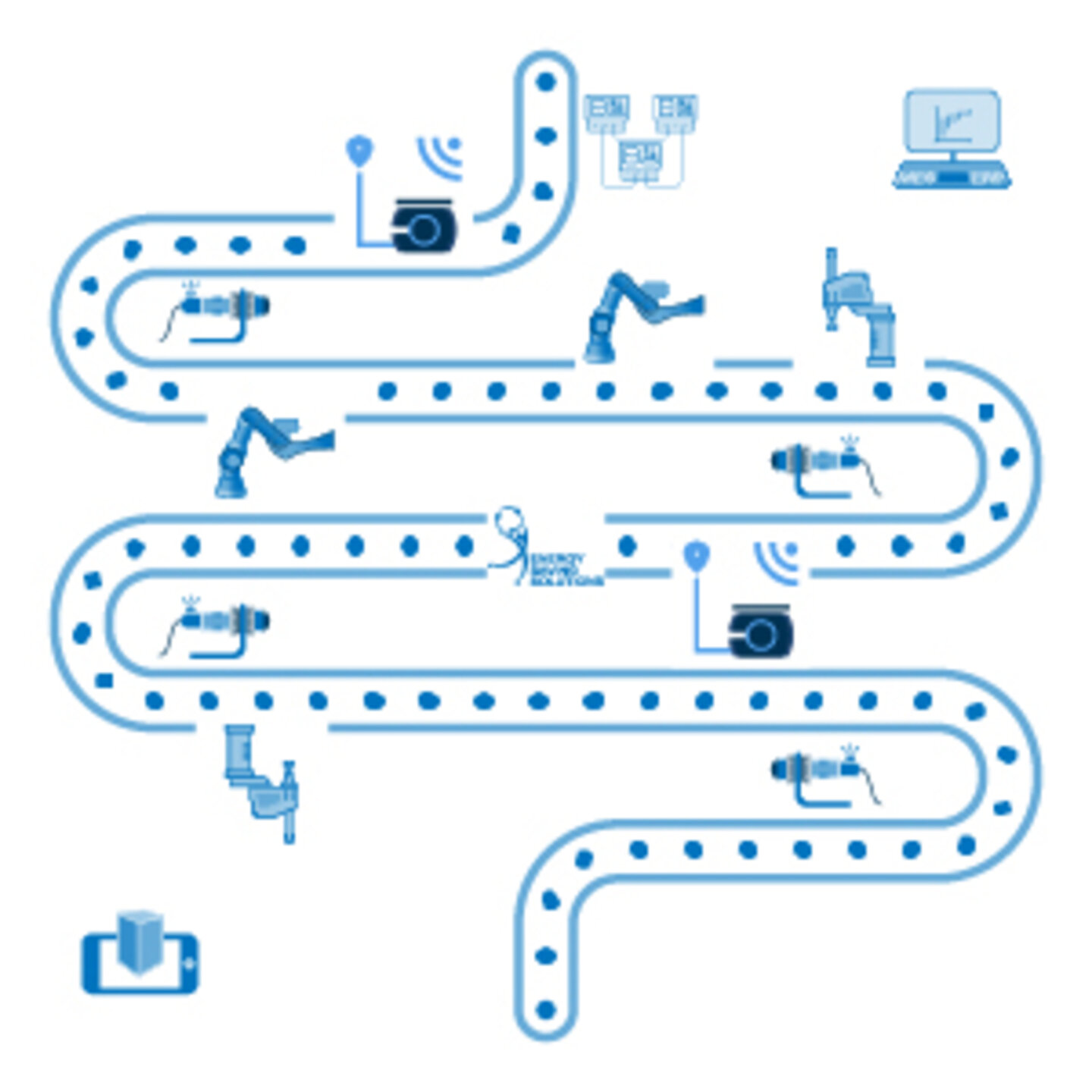
Set of integrated systems that combine different technologies to control and execute processes automatically, without direct human intervention or with minimal supervision. They include control elements, actuators, sensors, and communication systems that enable task coordination, improving efficiency, quality, safety, and productivity in industrial environments.
Increase your knowledge of industry 4.0 technologies and develop advanced skills in mechatronics utilizing a real industry-based platform.
Turning mechanism