RTS-200 - Robotics trainer
Discover the SMCs robotics training system that provides participants with a hardware platform for performing hands-on development for robotic operations.
Discover the SMCs robotics training system that provides participants with a hardware platform for performing hands-on development for robotic operations.
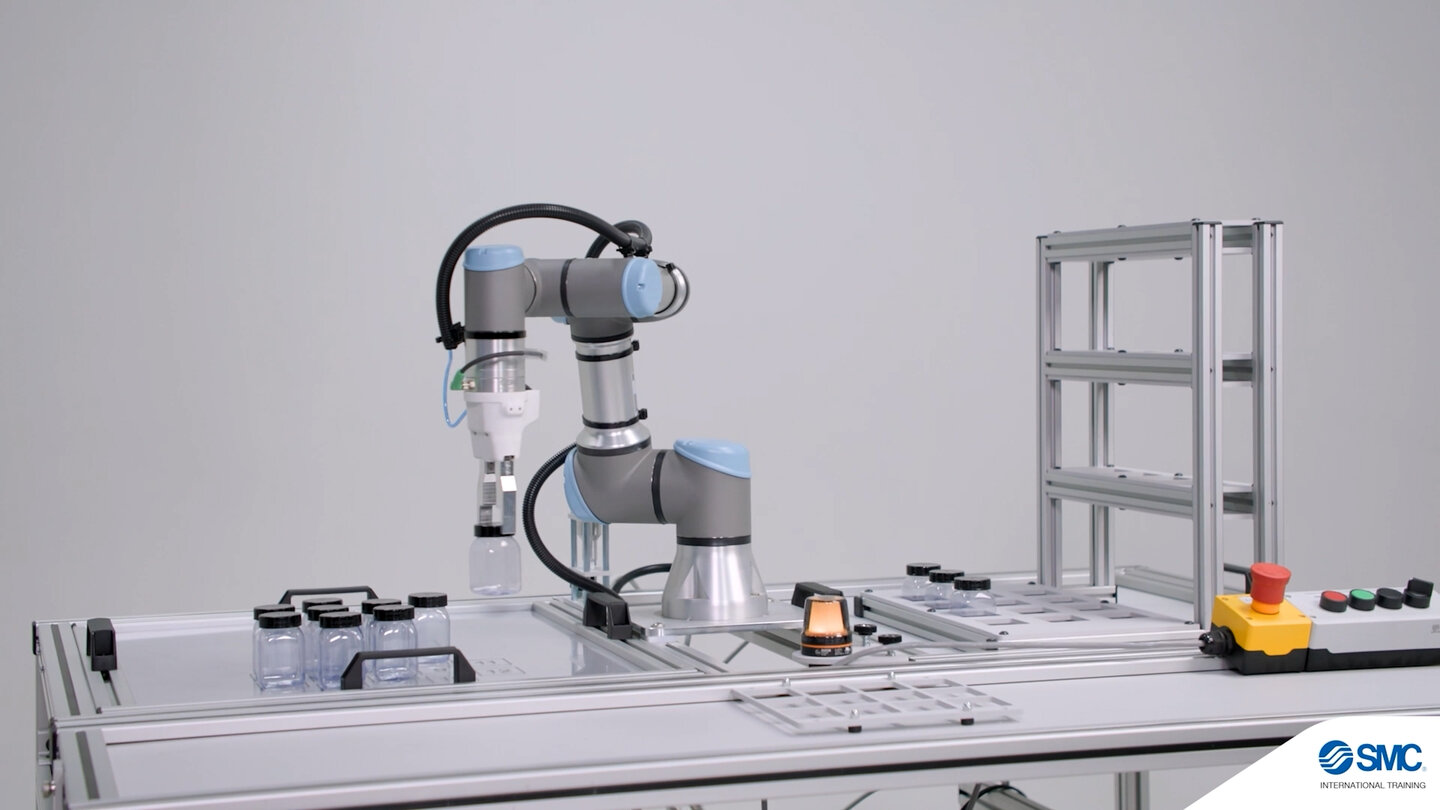
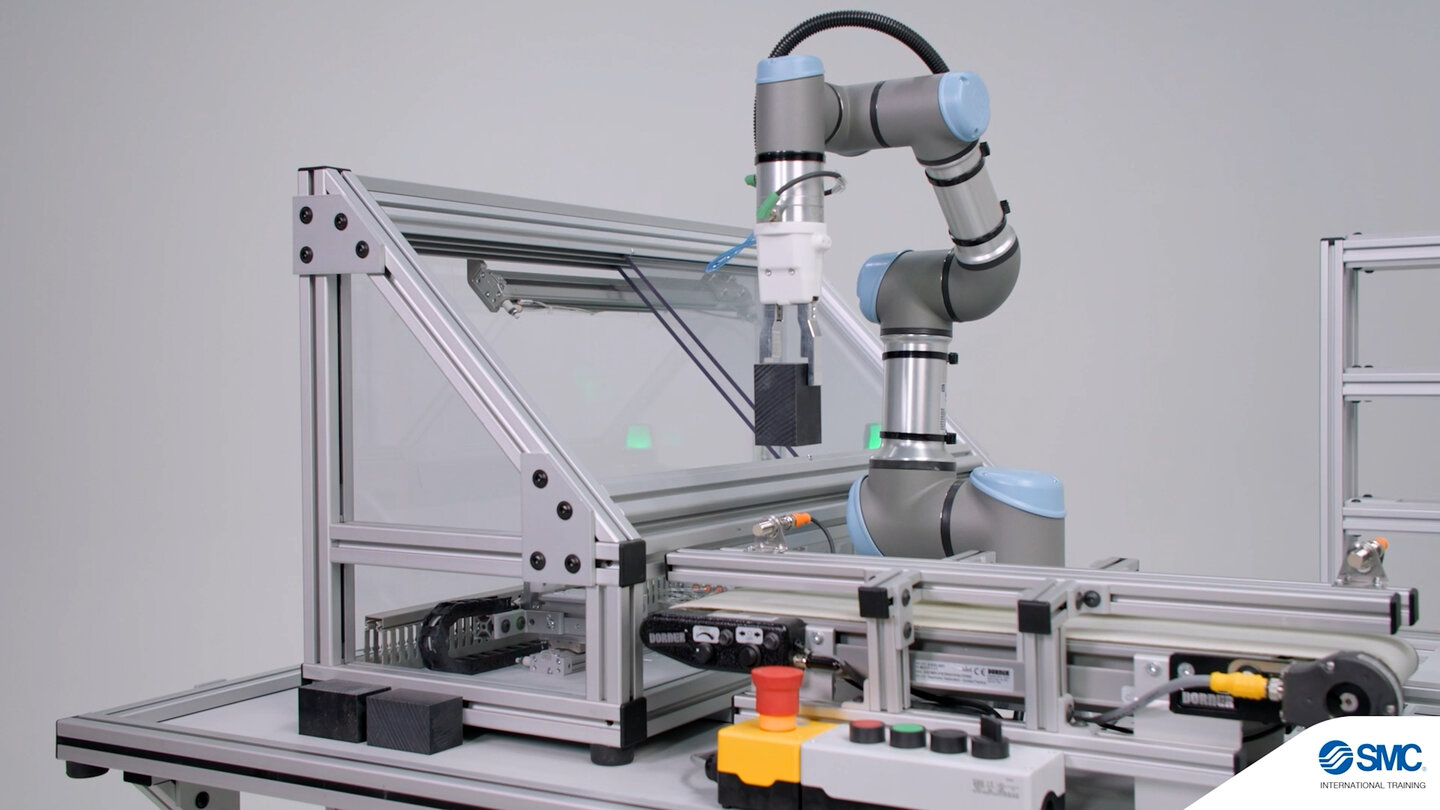
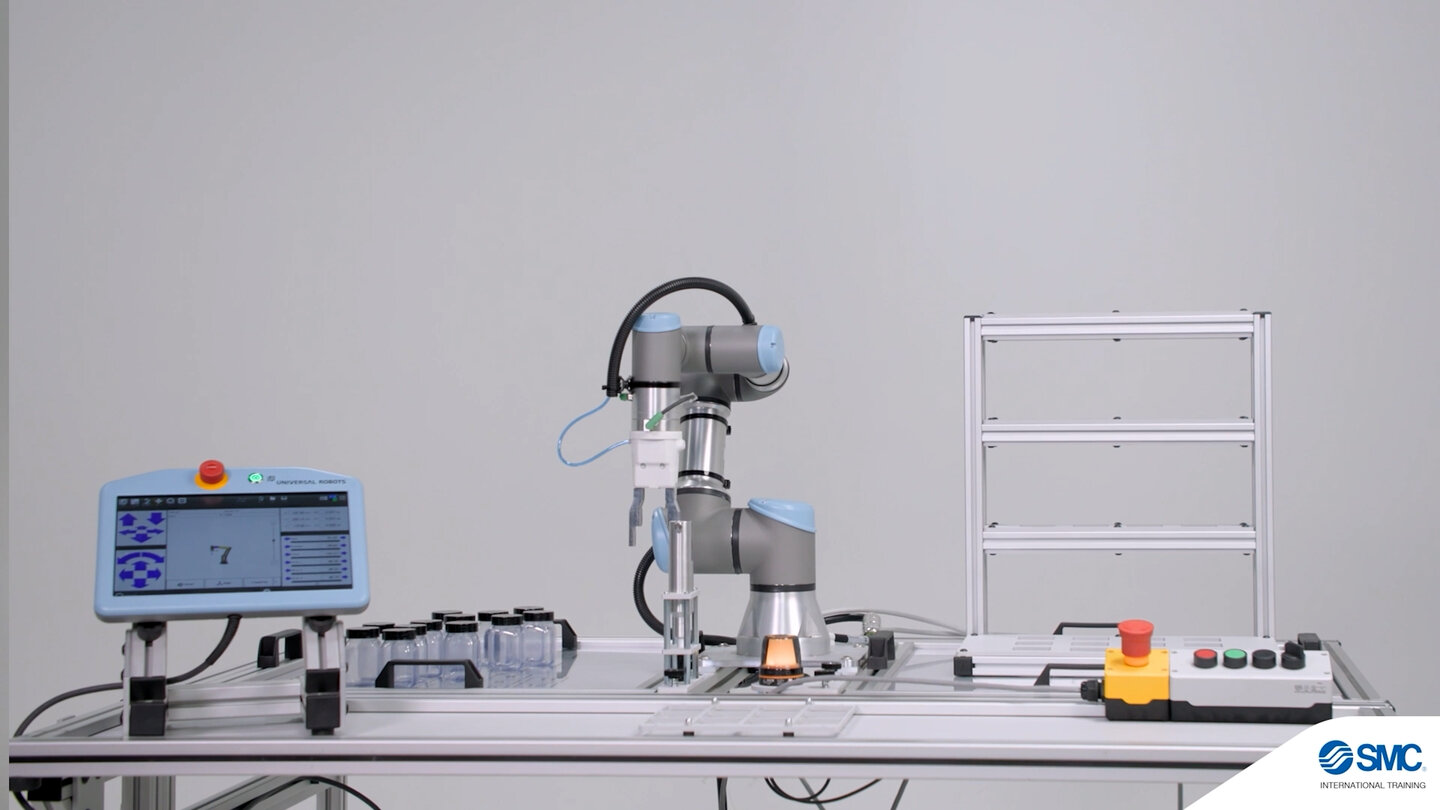
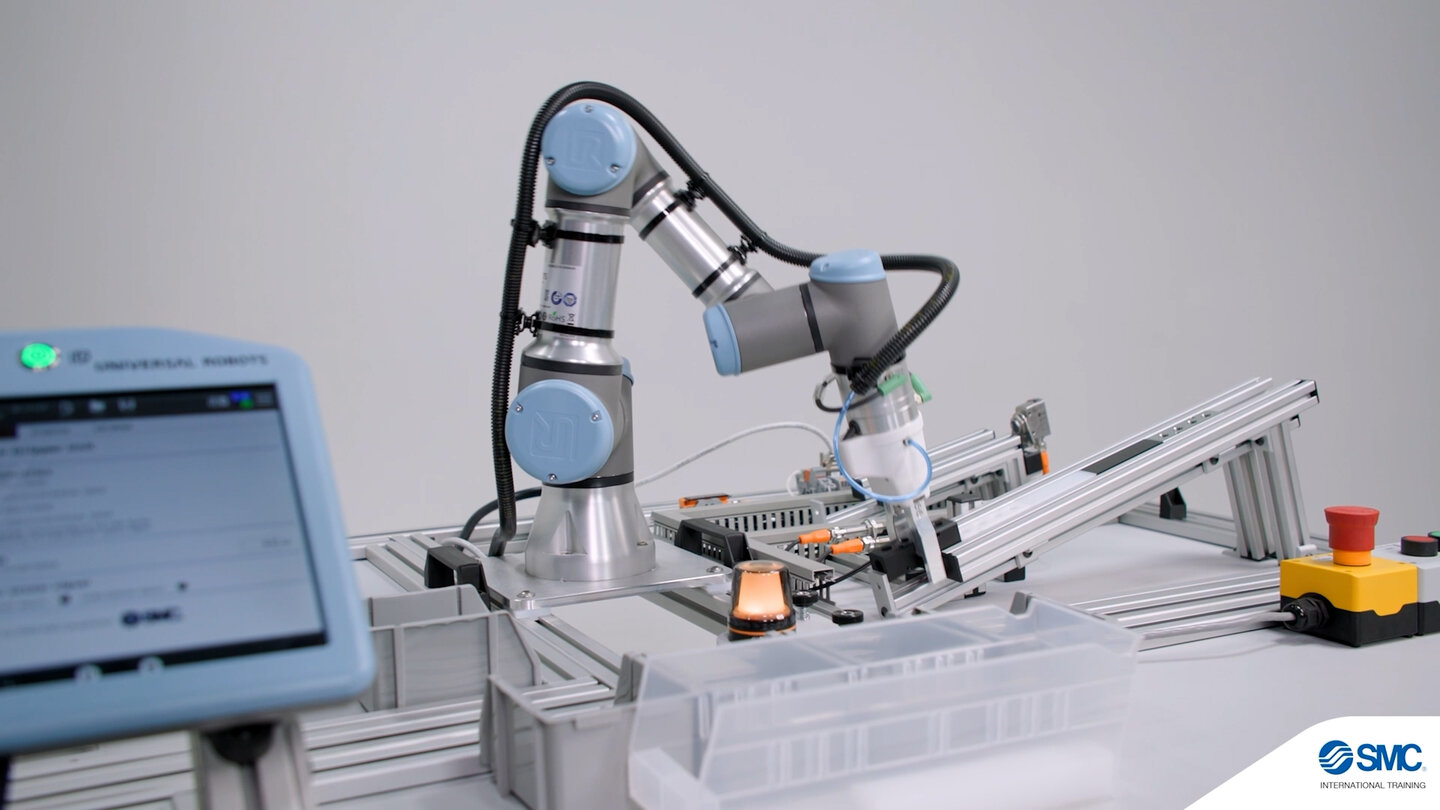
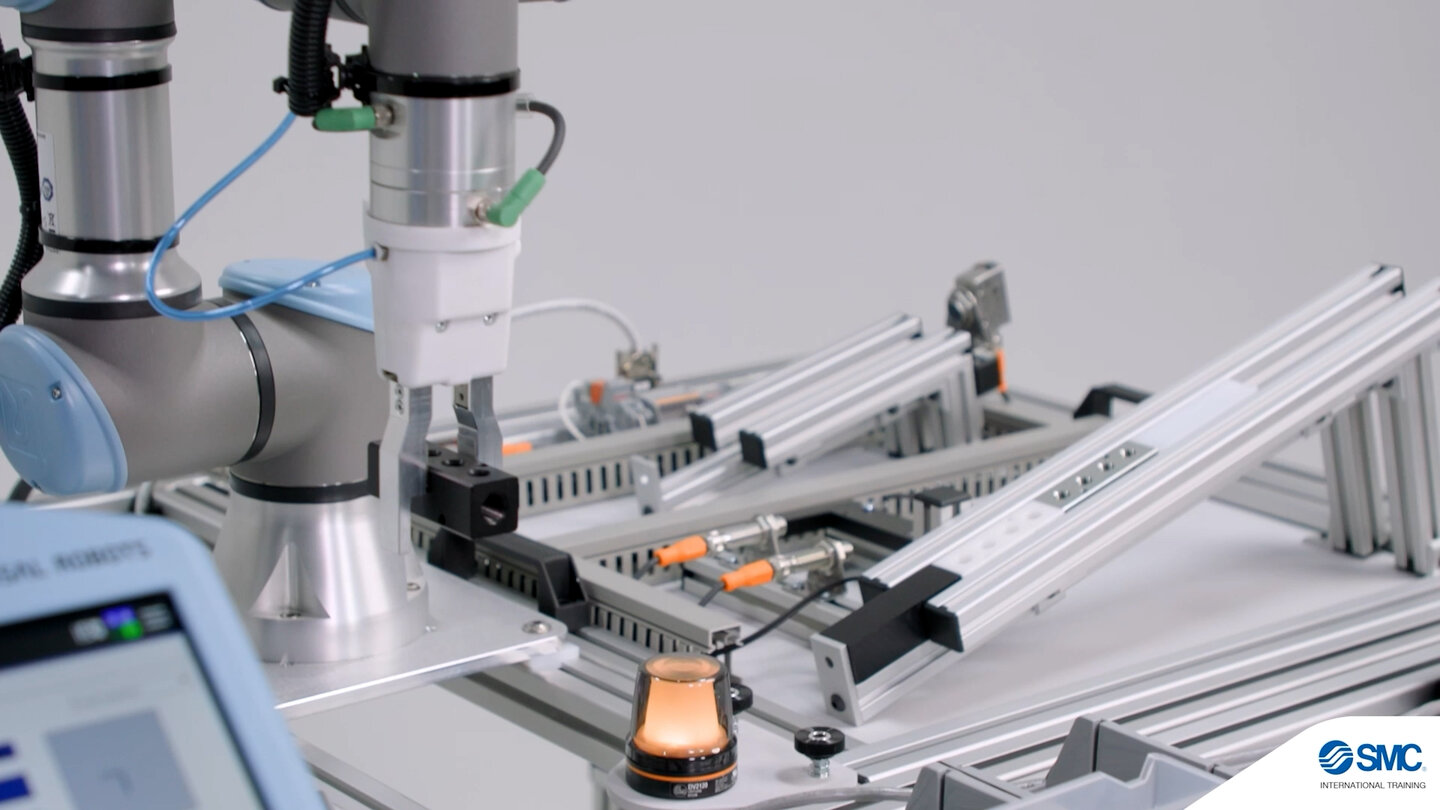
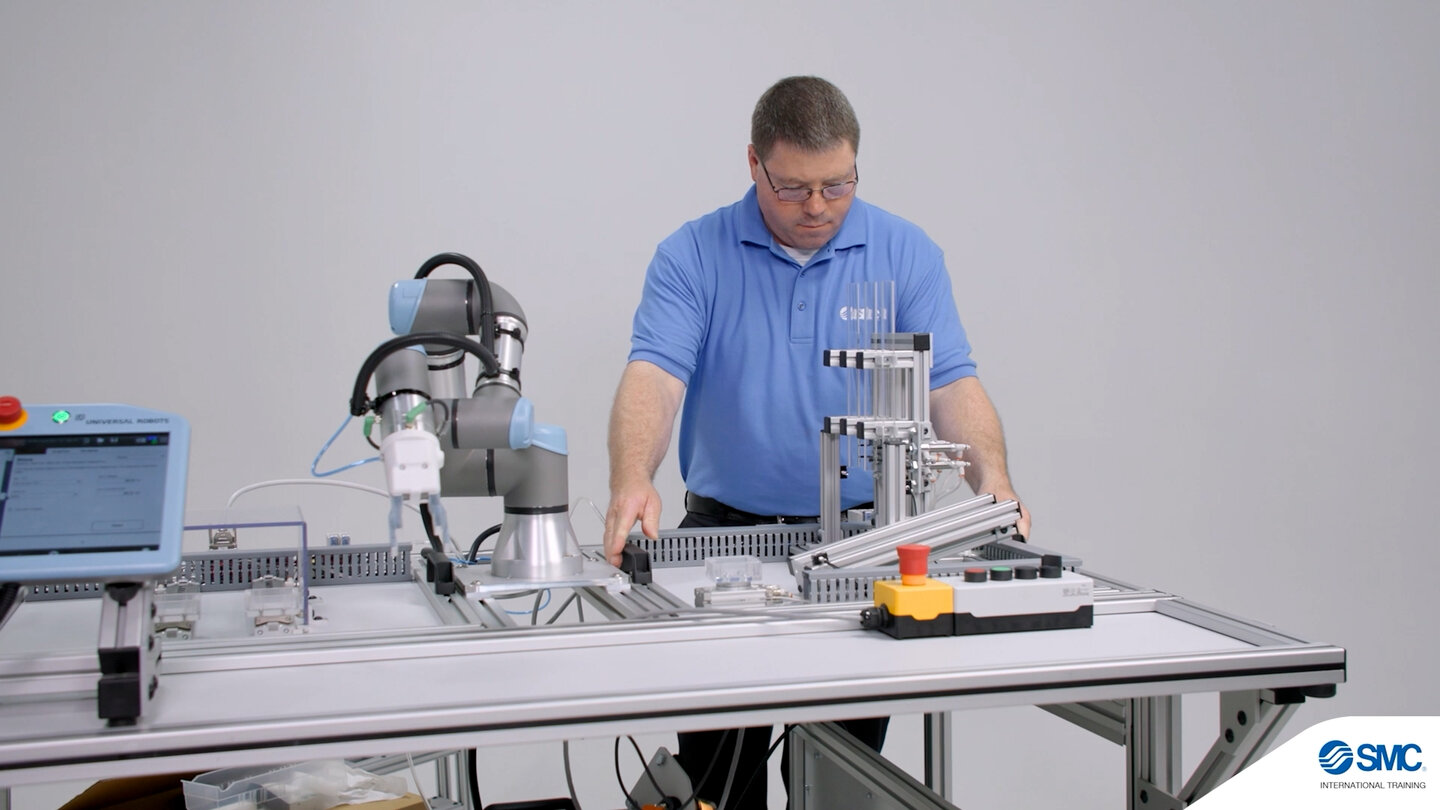
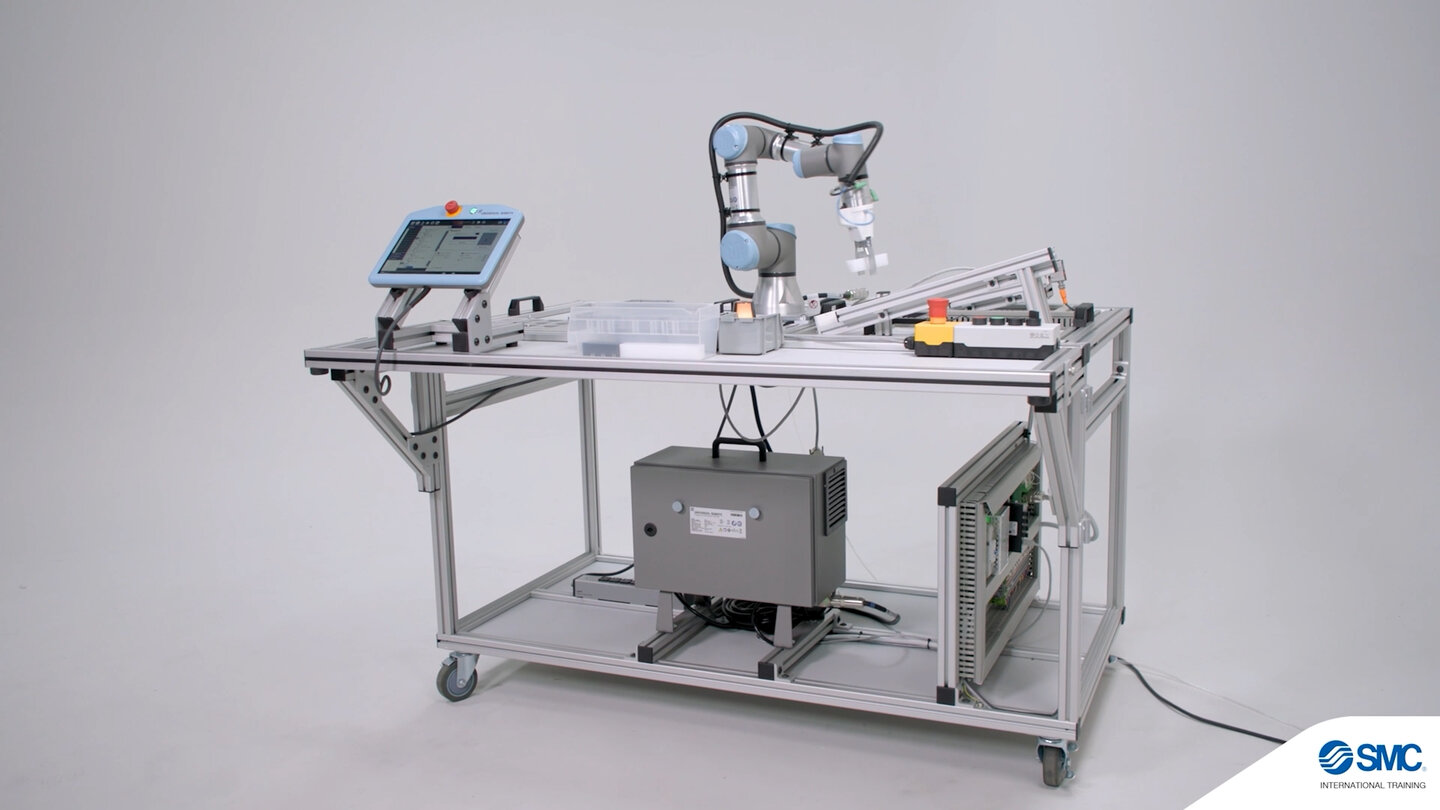
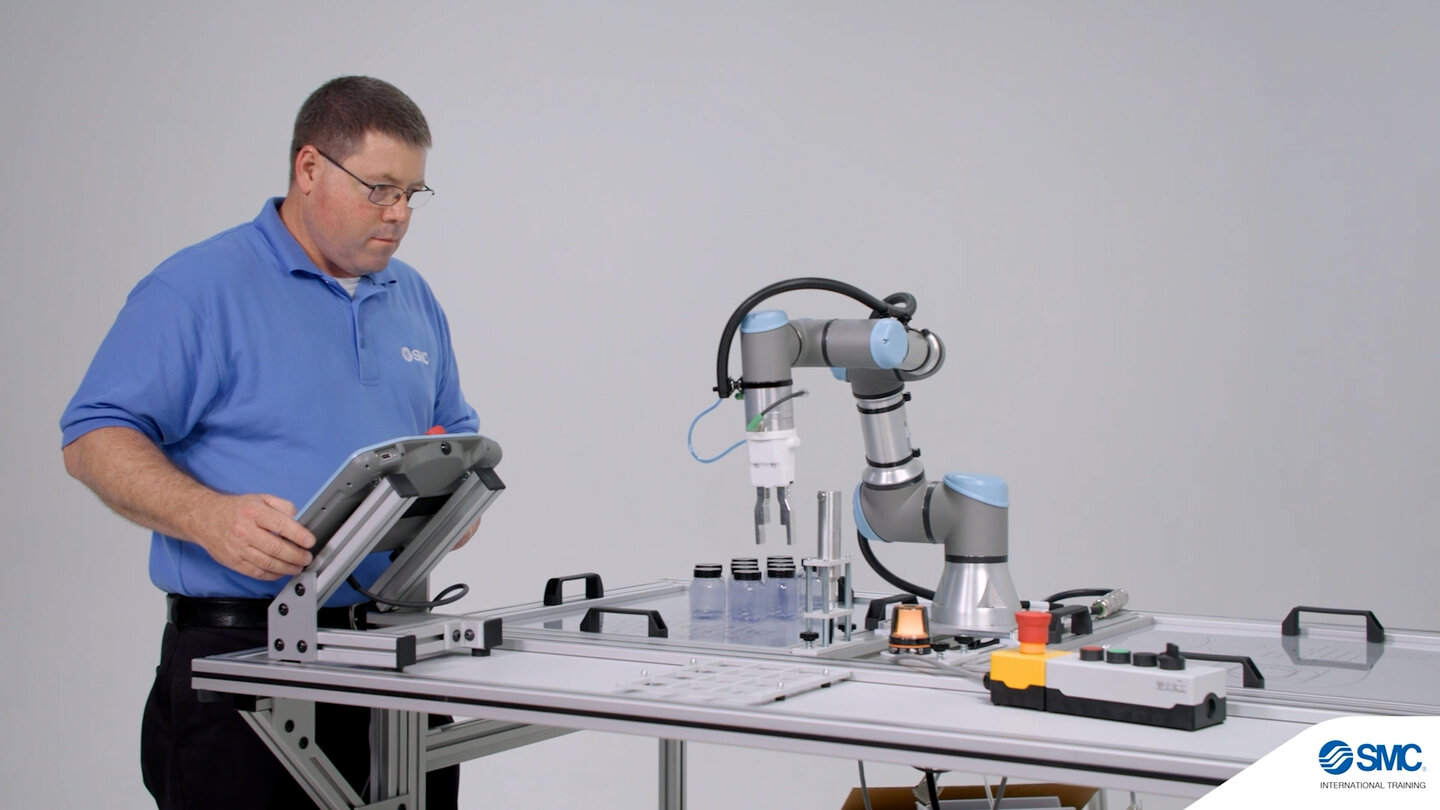
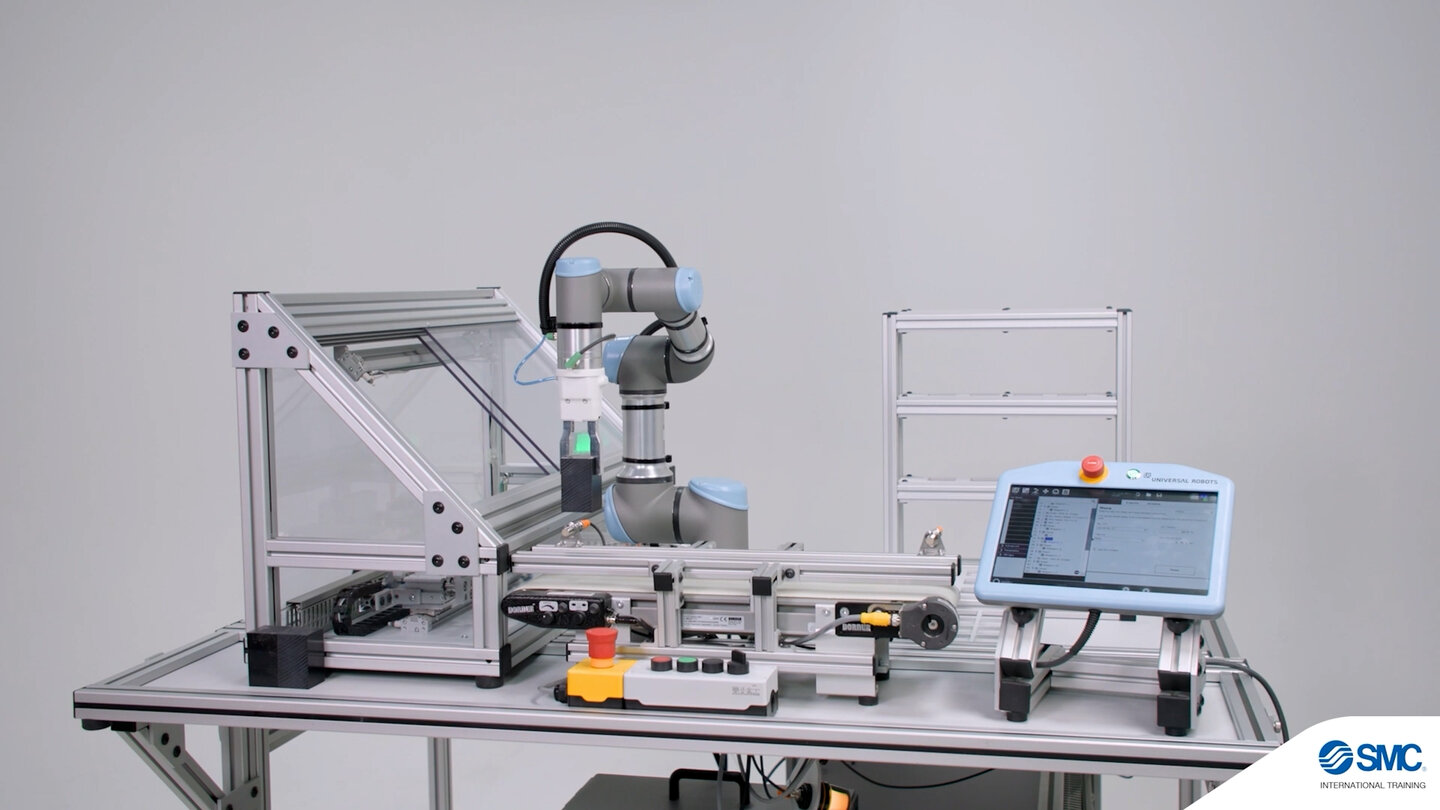
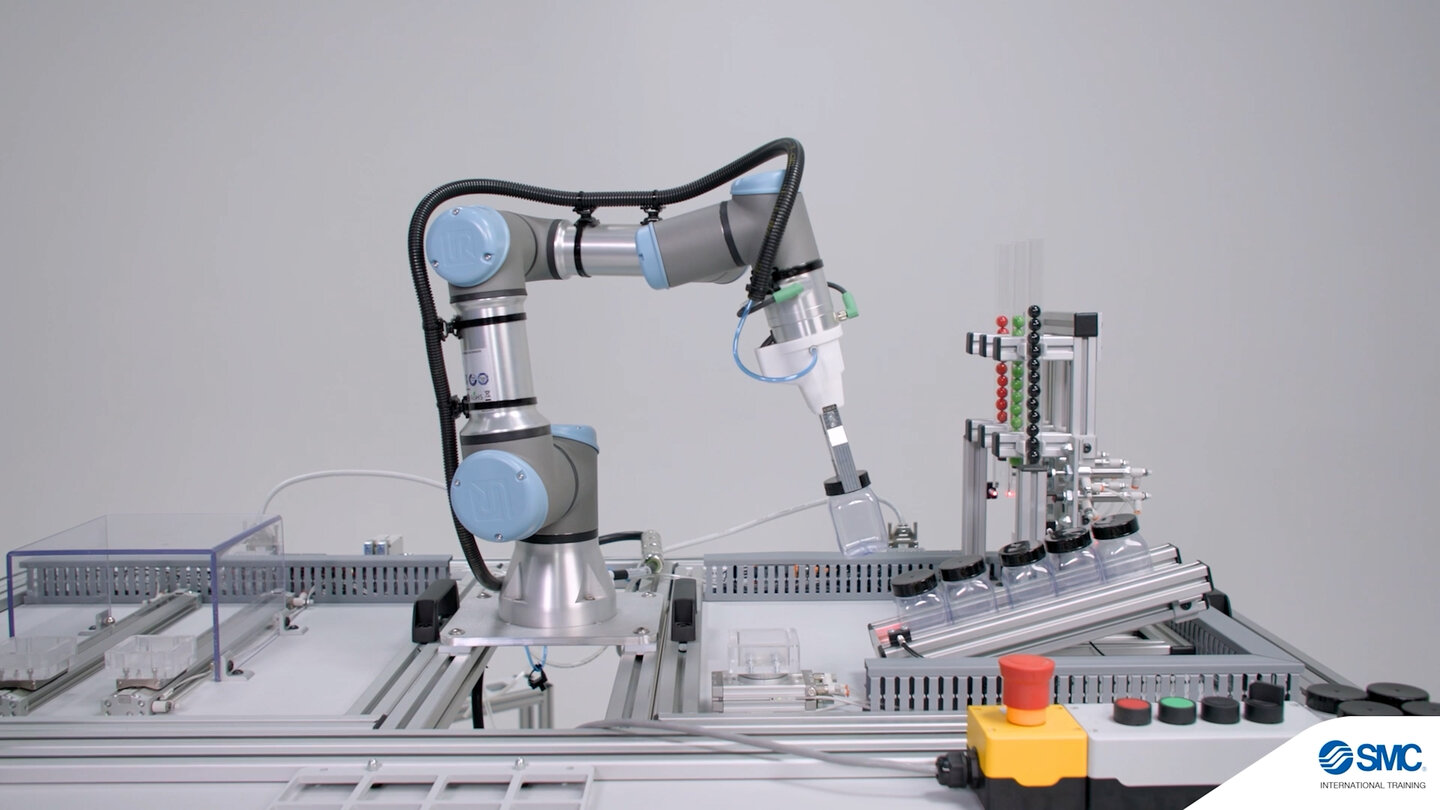
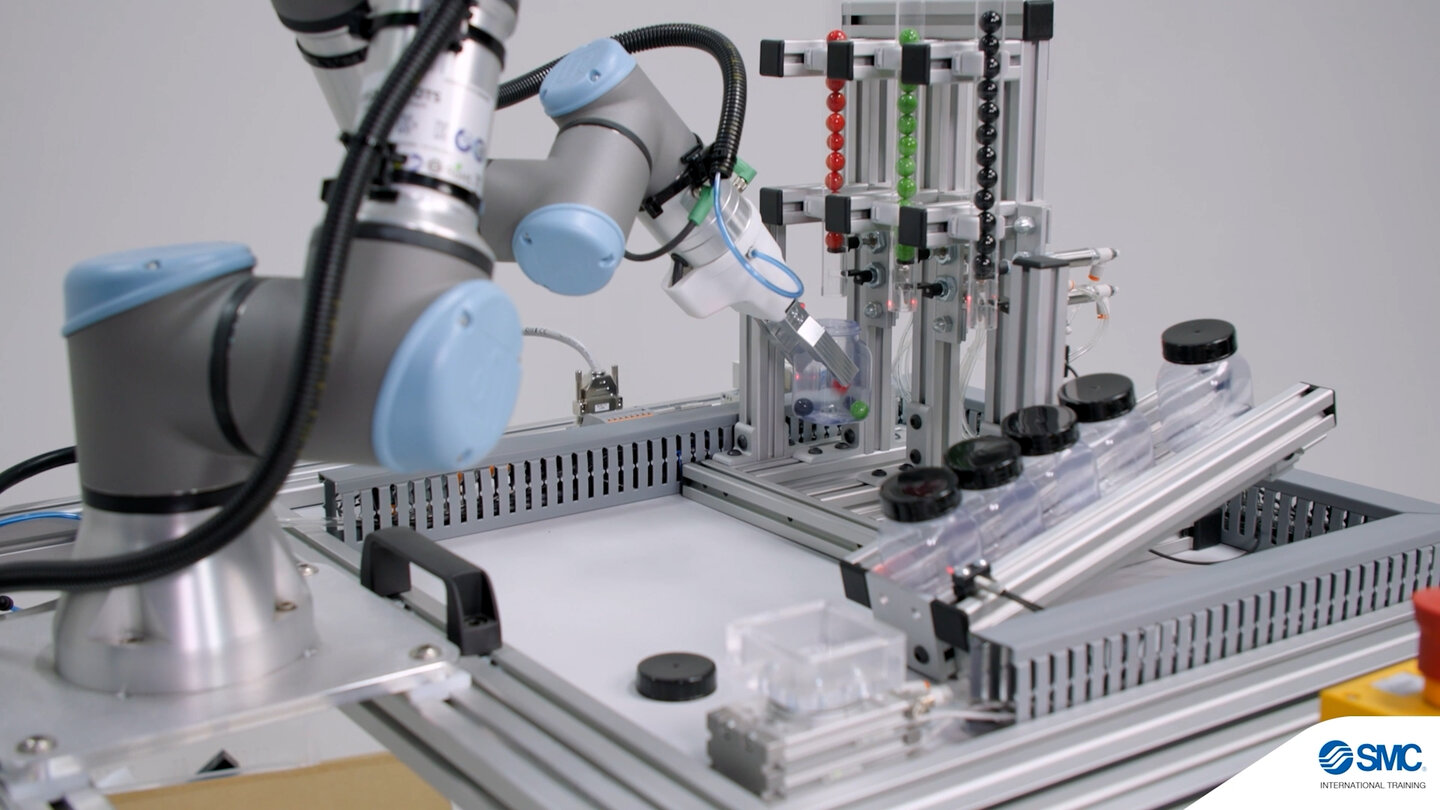
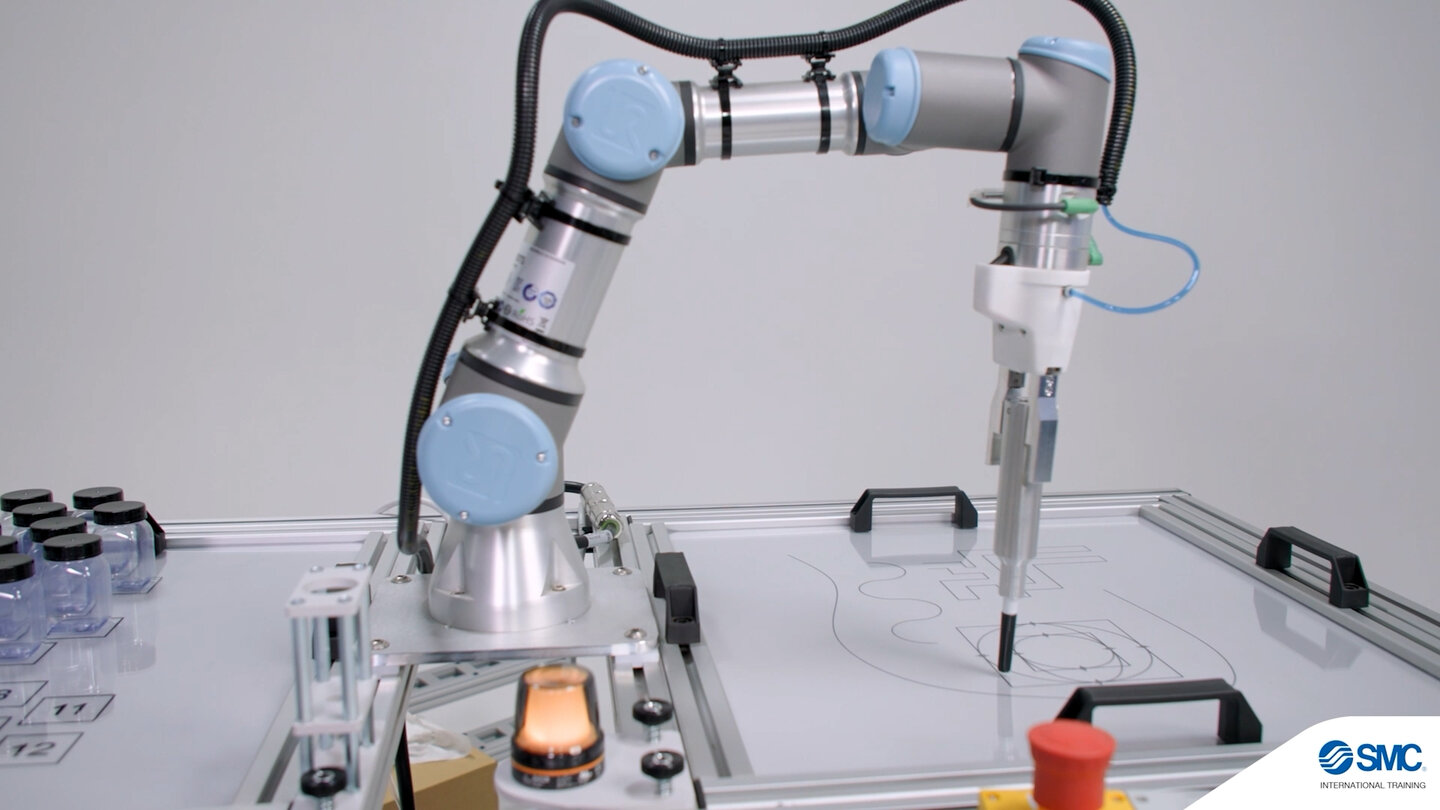
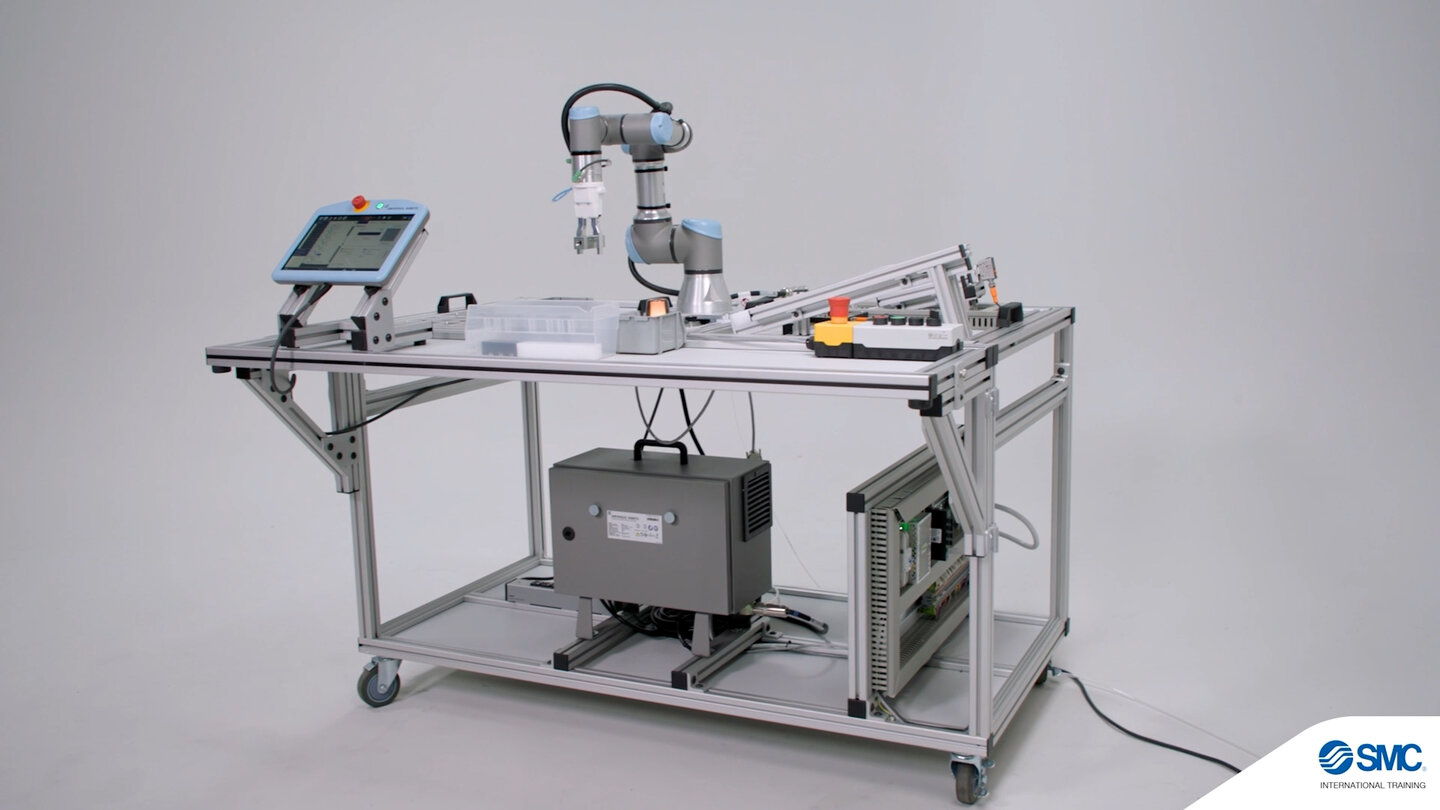
The RTS-200 training system provides participants with a hardware platform for performing hands-on development for robotic operations. The mobile platform includes various applications which can be quickly installed to provide advanced activities, expanding the learning objectives beyond simple pick and place functions. The design allows participants to advance from basic programming to integration of various technologies including electrical controls, pneumatics, controllers, artificial vision, sensors and more. It is a didactic trainer with a flexible design in which the user can develop skills in both, collaborative and non-collaborative, robotics technology. The system has different options that allow the user to configure the didactic equipment that best suits their needs. Within the robot integration options, it is possible to select the following parameters: It is possible to receive the didactic trainer with the robot fully integrated. For those users who already have a robot, there is also the possibility of integrating it themselves thanks to the instructions provided.

Elije la opción que mejor se adapte a tus necesidades y descubre cómo configurar tus referencias.
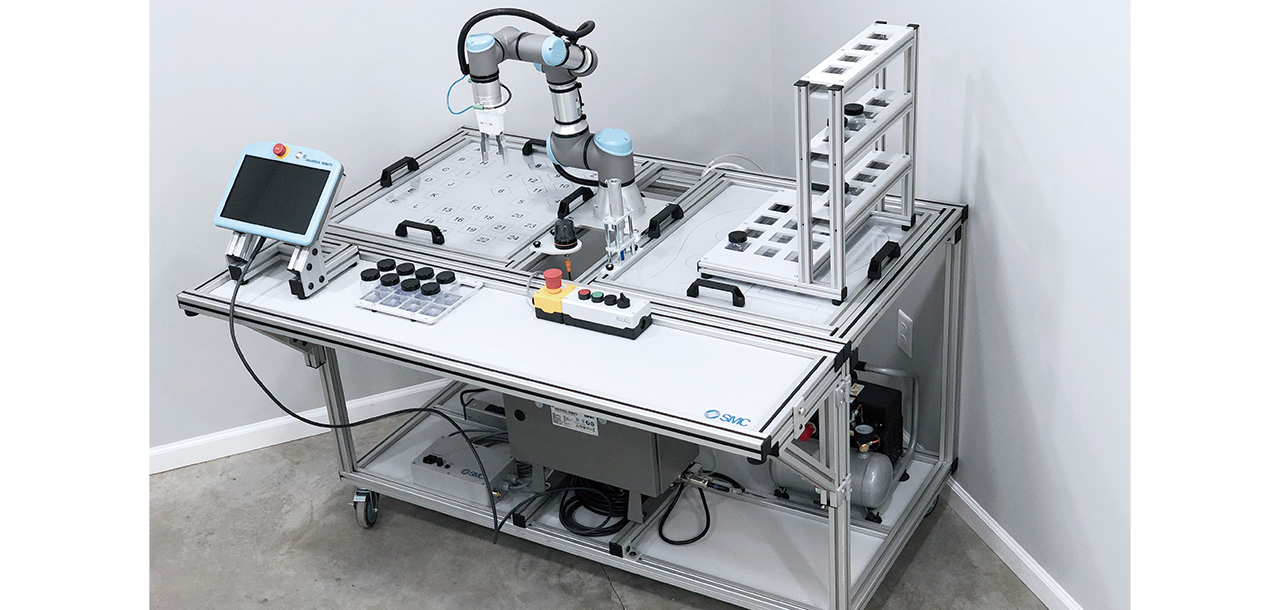
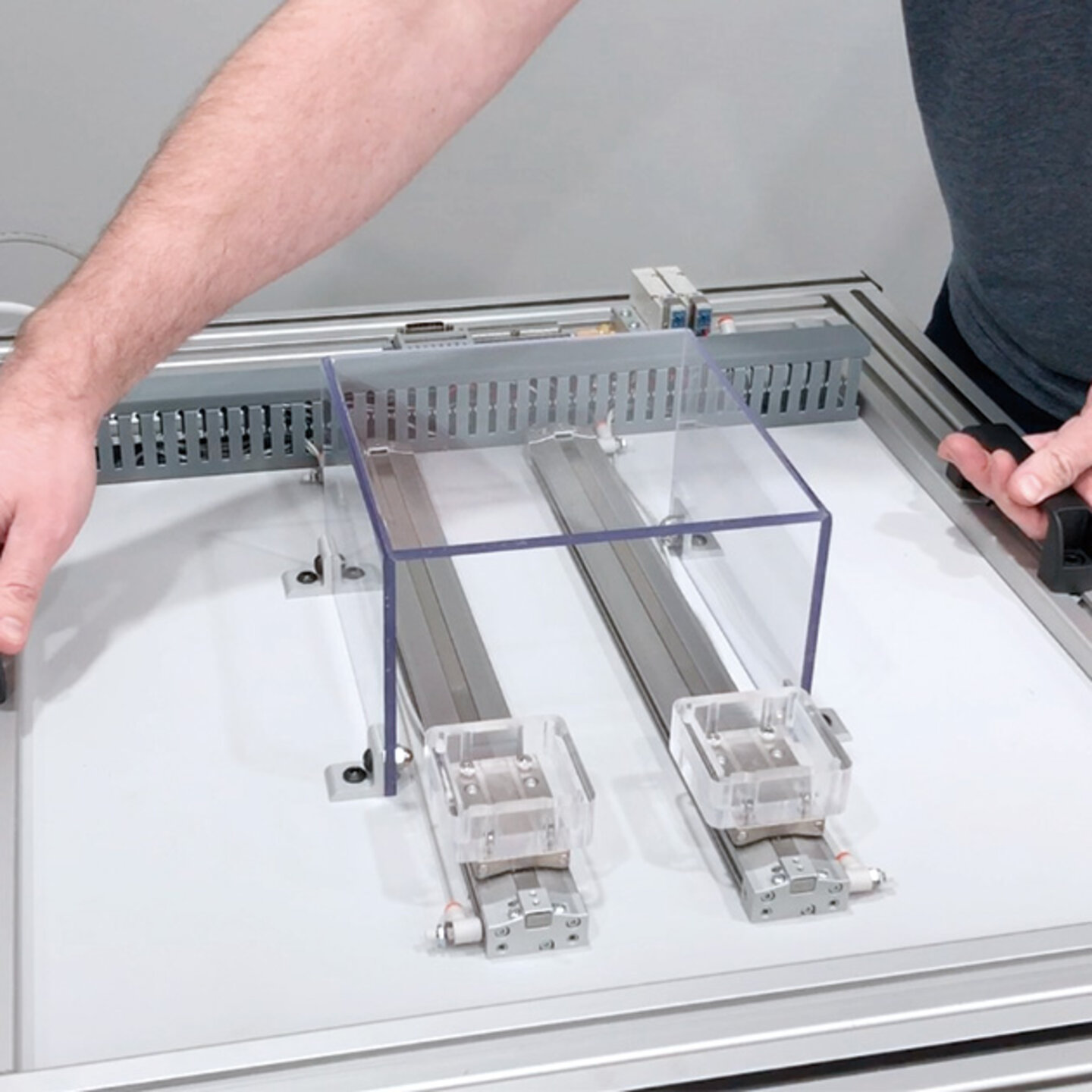
The RTS-200 robotics trainer has a series of applications through which the user can develop skills in relation to robotics technology. In addition to the basic installed applications, this didactic equipment also has a series of optional applications with advanced activities that extend the learning objectives: - Pneumatic Application and Part Transfer. - Integrated Sensors for part material, size, color and quality detection. - Production Application. - Variable Speed Conveyor with Sensors. - CNC Machine Tending (Simulated CNC). - Assembly Application. - Collaborative Assembly Application. All these applications are designed for quick and easy integration, to plug and play.
Set of industrial robots designed to safely and directly interact with humans within a shared workspace. They integrate advanced control systems, sensors, and safety features that enable tasks to be performed in a flexible, precise, and collaborative manner, improving productivity, ergonomics, and safety in automated processes.
Set of systems and technologies responsible for the design, control, and application of industrial robots for the automatic execution of tasks within an automated process. It includes components such as manipulators, controllers, sensors, and tools that enable operations to be carried out in a precise, flexible, and repeatable way, improving productivity, quality, and safety in industrial environments.

These technologies not only prevent accidents and protect workers, but also optimize production processes, reducing downtime and costs associated with incidents. The protection of machinery and the implementation of guards and physical barriers have become essential elements.

Set of smart field devices based on IO-Link communication, designed to exchange data bidirectionally with control systems within an automated process. They enable real-time parameterization, monitoring, and diagnostics of sensors and actuators, facilitating integration, flexibility, and advanced maintenance in industrial environments.

Set of systems and techniques that enable the capture, processing, and analysis of images to extract relevant information within an automated process. It integrates cameras, sensors, lighting, and processing software that allow inspection, identification, and control of objects, improving quality, precision, and efficiency in industrial applications.
Set of devices designed to detect and measure physical or chemical variables within an automated process, transforming them into signals that can be interpreted by control systems. It includes sensors for position, proximity, temperature, pressure, or flow, enabling the acquisition of process status information and facilitating its monitoring, control, and optimization.

Industrial coding is the process by which a unique identifier is assigned to each piece of equipment, product, item or system within a company. Industrial labels and other elements such as cards or signs offer a fast and reliable solution for the identification of equipment and facilities. They are systems such as RFID, BCR, NFC and QR.
Programmable Logic controller (PLC) technology refers to the use of programmable industrial electronic devices designed to automate and control processes and machines, executing logical, sequential and timed instructions from sensor inputs and reliably generating control outputs in industrial environments.
The space where interactions between humans and machines occur. The goal of this interaction is to allow effective operation and control of the machine from the human end, while the machine simultaneously feeds back information that aids the operators' decision-making process.
Industrial communication refers to a data transmission system designed to enable communication between field devices, such as sensors, actuators, and controllers, and the monitoring and control systems in industry.

Set of devices responsible for converting electrical energy into mechanical energy to generate motion within an automated process. It includes different types of motors and drive elements that allow the adjustment of speed, torque, and position, enabling precise and efficient control of machines and industrial systems.
Set of mechanical devices designed to move, position, and manipulate parts or tools within an automated process. These systems, which can be manual, assisted, or robotic, make it possible to carry out tasks such as transport, assembly, loading and unloading, or packaging, improving process precision, repeatability, and efficiency, while reducing human effort and increasing productivity.
Set of systems and techniques that use compressed air to generate, transmit, and control energy within an automated process. It includes components such as compressors, valves, actuators, and maintenance units that enable driving, regulating, and sequencing movements, ensuring efficiency, reliability, and safety in the execution of industrial tasks.
Set of systems and techniques that use vacuum as a means to handle, hold, and transport objects within an automated process. It includes components such as vacuum generators, suction cups, valves, and sensors that enable safe, precise, and efficient handling operations, especially in pick-and-place, packaging, and material handling applications, improving productivity and process reliability.
Image gallery