Electricity and control
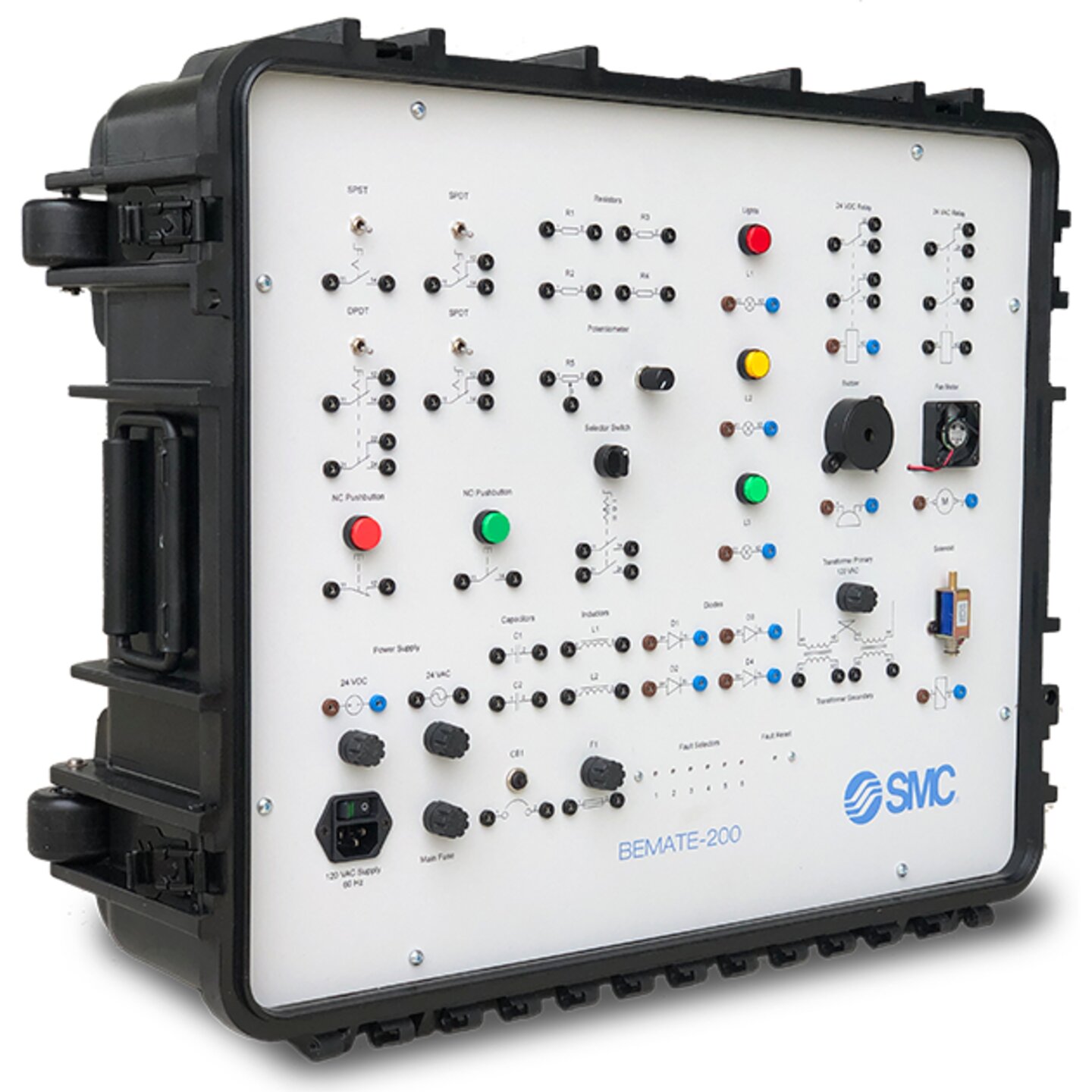
Discover the range of electricity and control technology trainers offered by SMC International Training
Discover the range of electricity and control technology trainers offered by SMC International Training

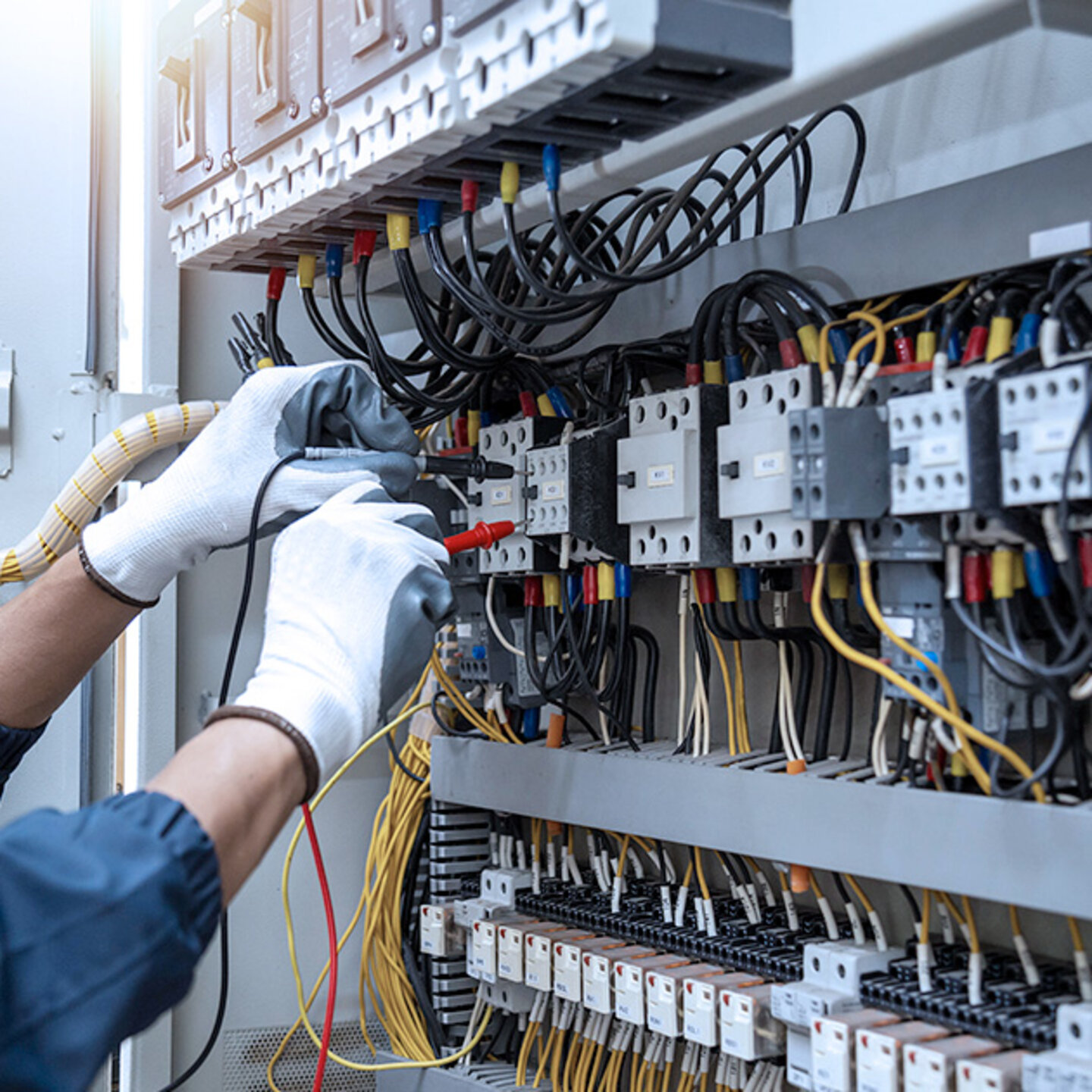
Electrical technology, within the field of industrial automation, is the set of principles, techniques, and components aimed at the generation, distribution, and use of electrical energy to power, drive, and control automated systems. It forms the functional foundation of automation, enabling both the supply of energy to equipment and the transmission of control signals, as well as the execution of operations and integration with other industrial technologies such as pneumatics, electronics, or programmable systems.
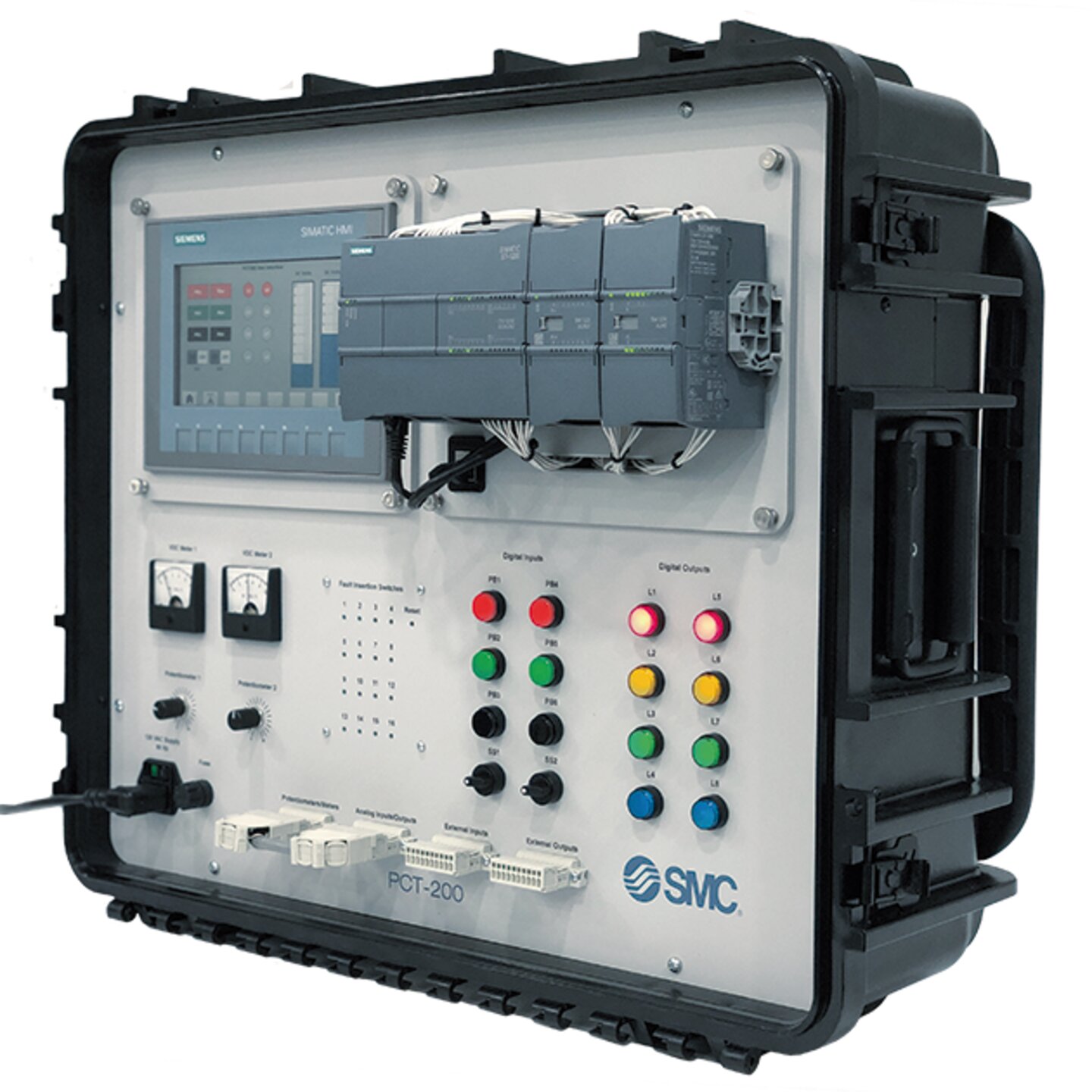
Programmable Logic controller (PLC) technology refers to the use of programmable industrial electronic devices designed to automate and control processes and machines, executing logical, sequential and timed instructions from sensor inputs and reliably generating control outputs in industrial environments.
The space where interactions between humans and machines occur. The goal of this interaction is to allow effective operation and control of the machine from the human end, while the machine simultaneously feeds back information that aids the operators' decision-making process.
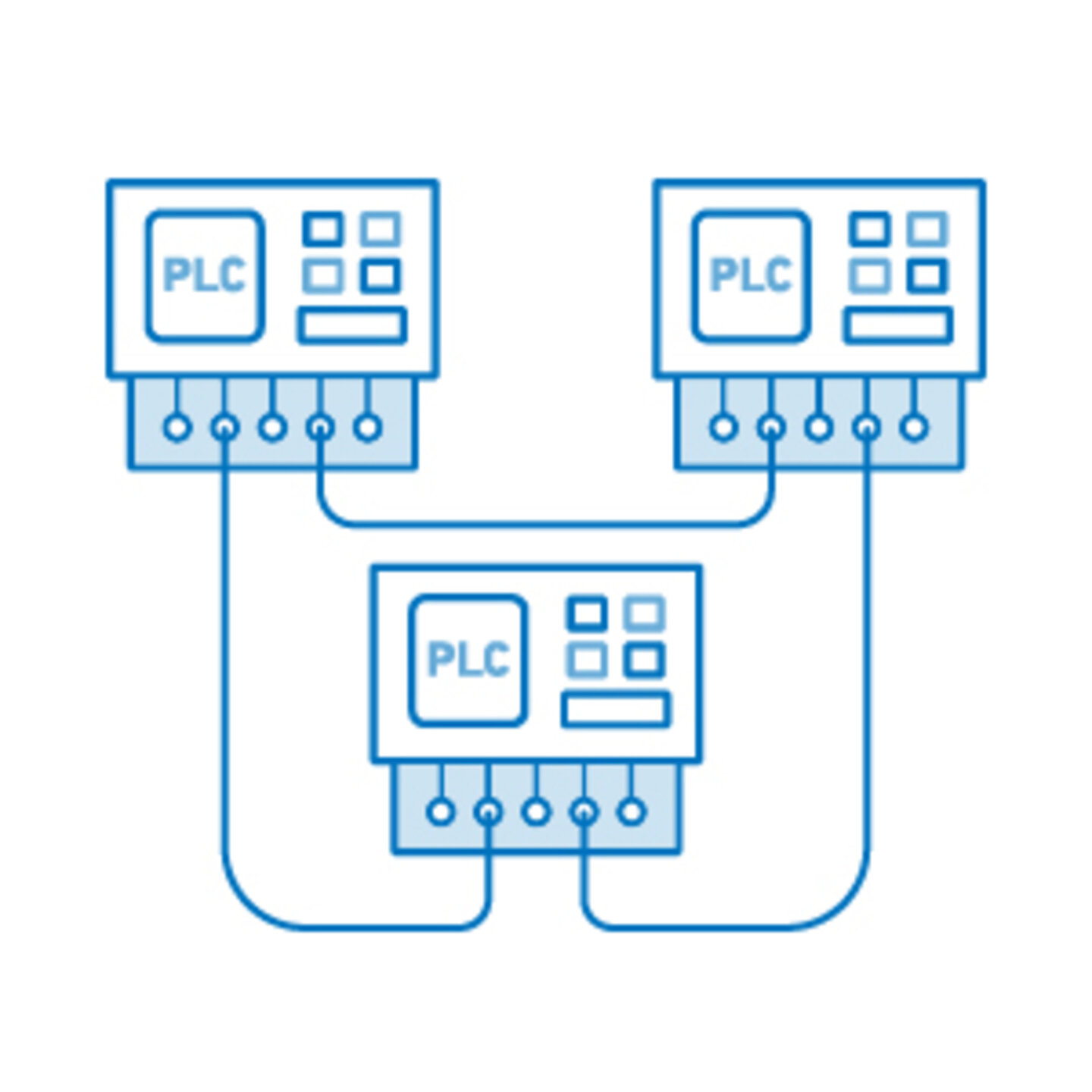
Industrial communication refers to a data transmission system designed to enable communication between field devices, such as sensors, actuators, and controllers, and the monitoring and control systems in industry.
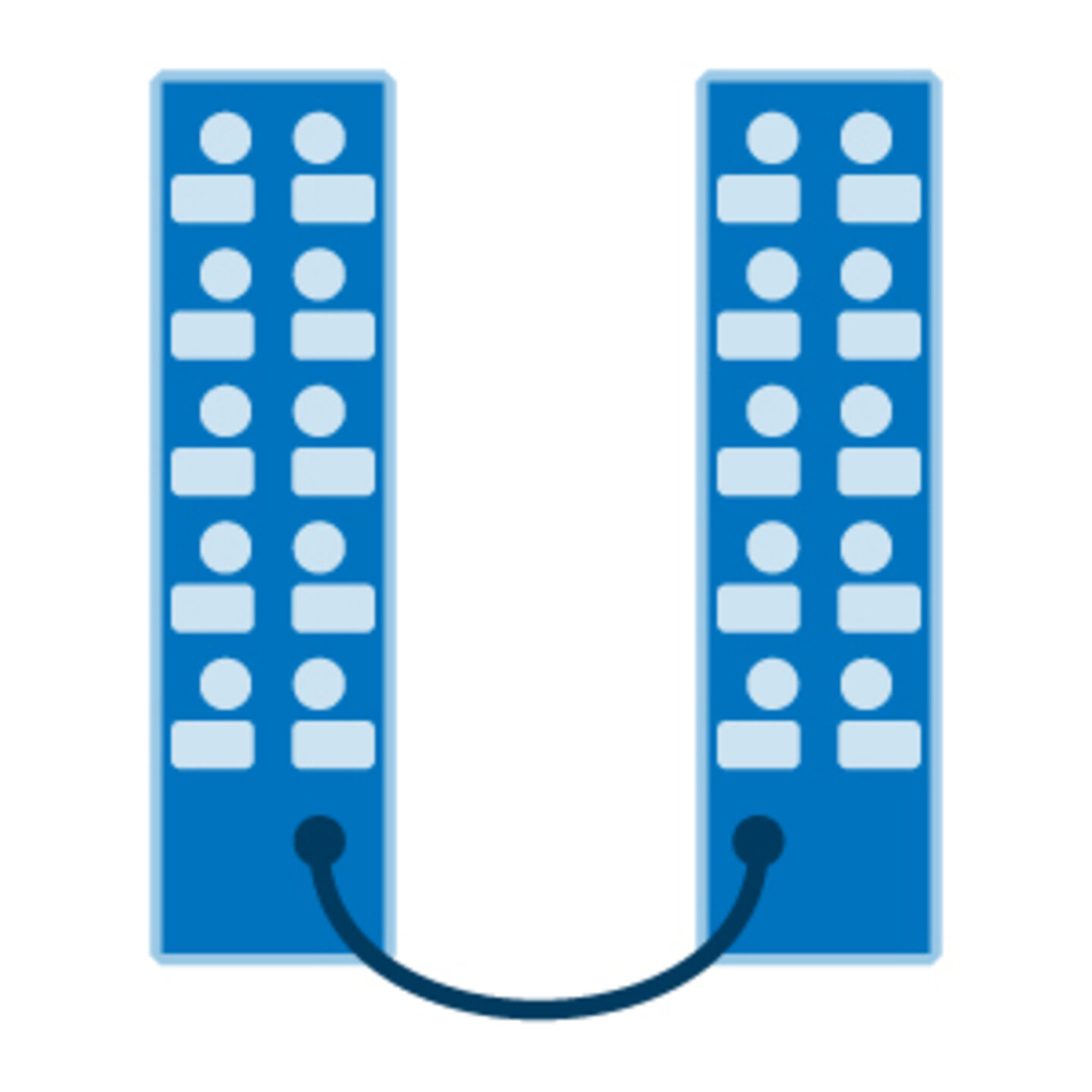
Distributed I/O is a system architecture that distributes input/output modules near various field devices and connects them to a central controller (such as PLC or DCS) through a network. Unlike traditional centralized I/O systems, distributed I/O systems distribute I/O functions to various nodes and realize data transmission and control through industrial Ethernet, fieldbus or wireless communication.
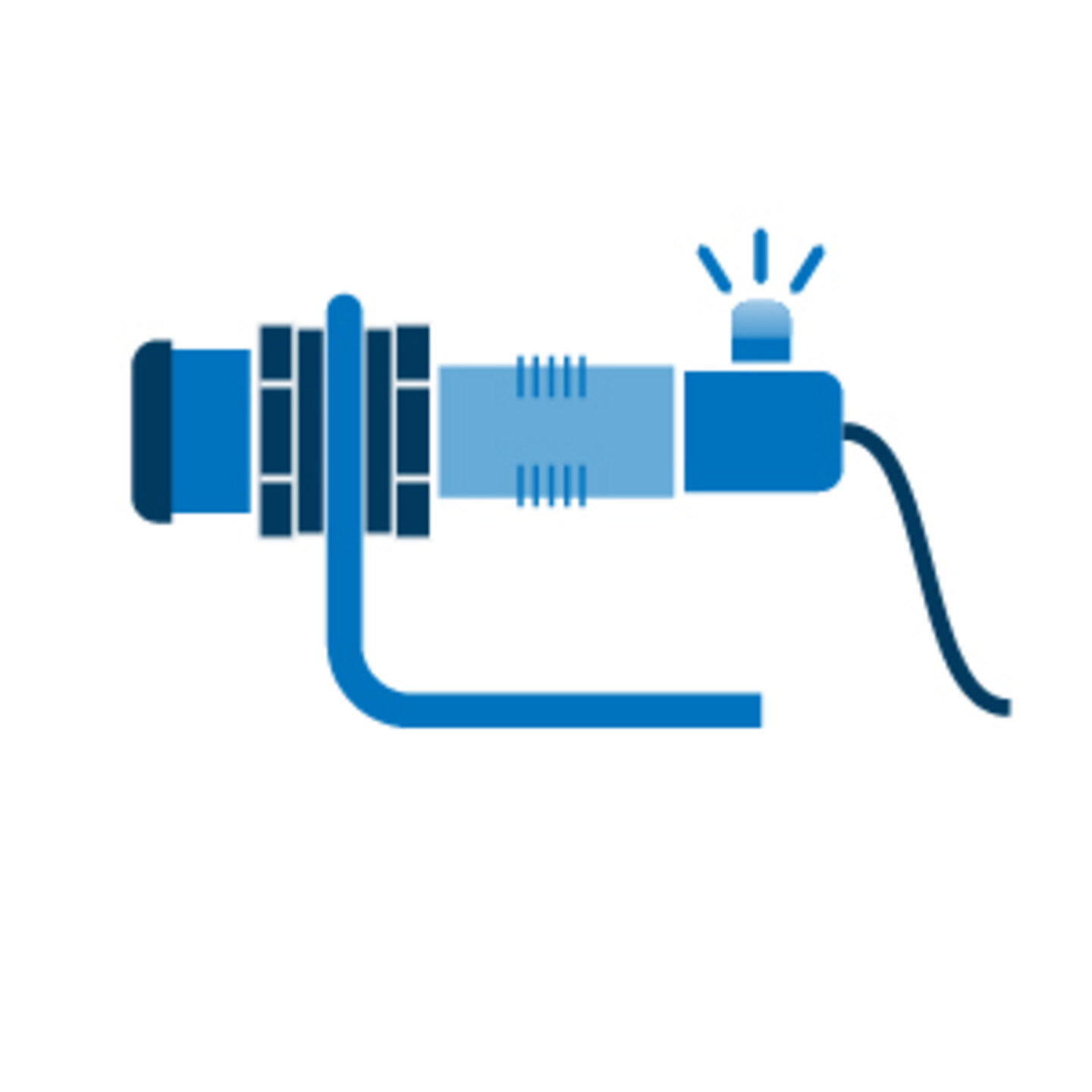
Set of devices designed to detect and measure physical or chemical variables within an automated process, transforming them into signals that can be interpreted by control systems. It includes sensors for position, proximity, temperature, pressure, or flow, enabling the acquisition of process status information and facilitating its monitoring, control, and optimization.
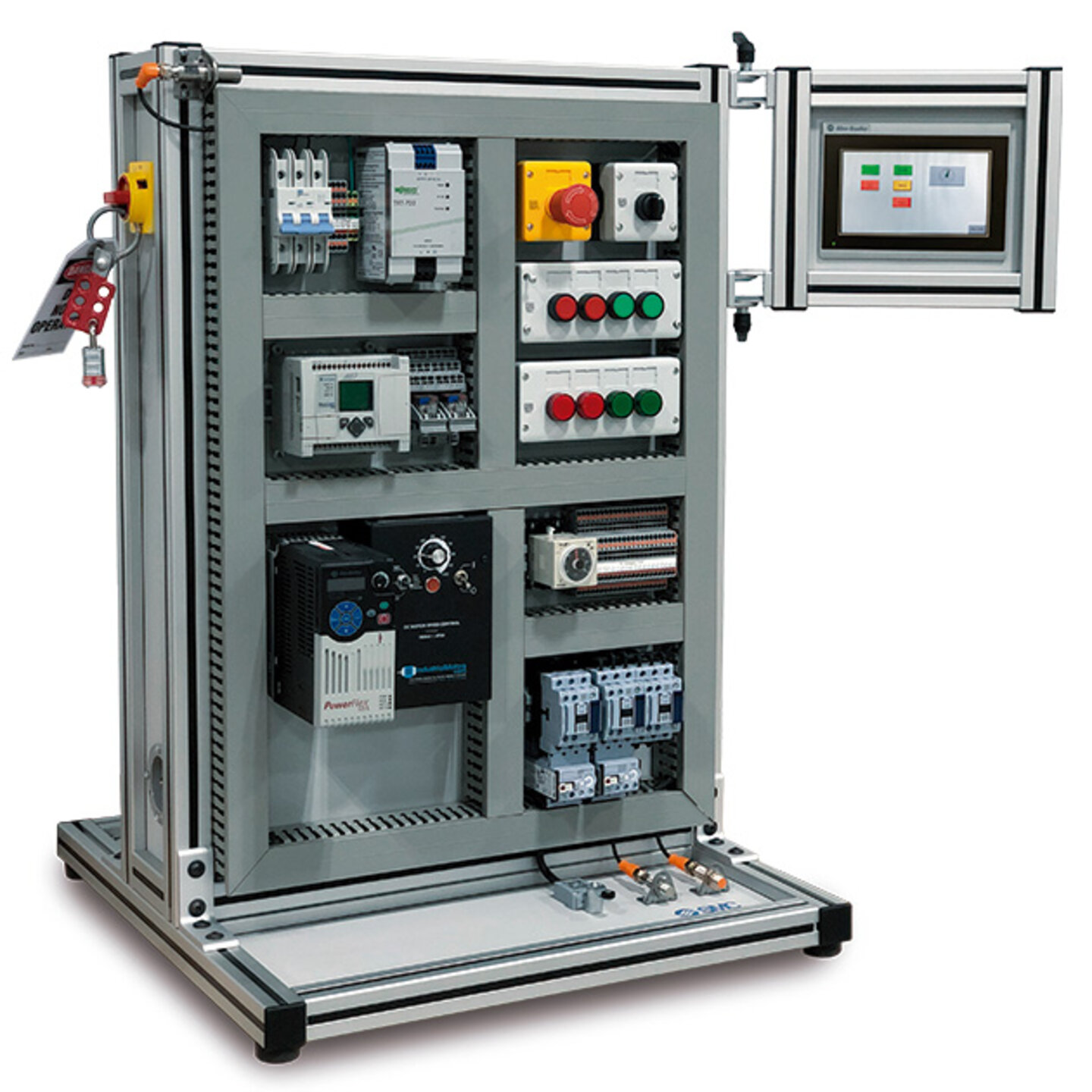
Set of electrical systems and components arranged within an enclosure or cabinet, intended for the distribution, protection, and control of electrical energy within an automated process. It includes elements such as switches, protective devices, contactors, relays, terminals, and control devices that enable the safe and efficient operation of machines and industrial systems.
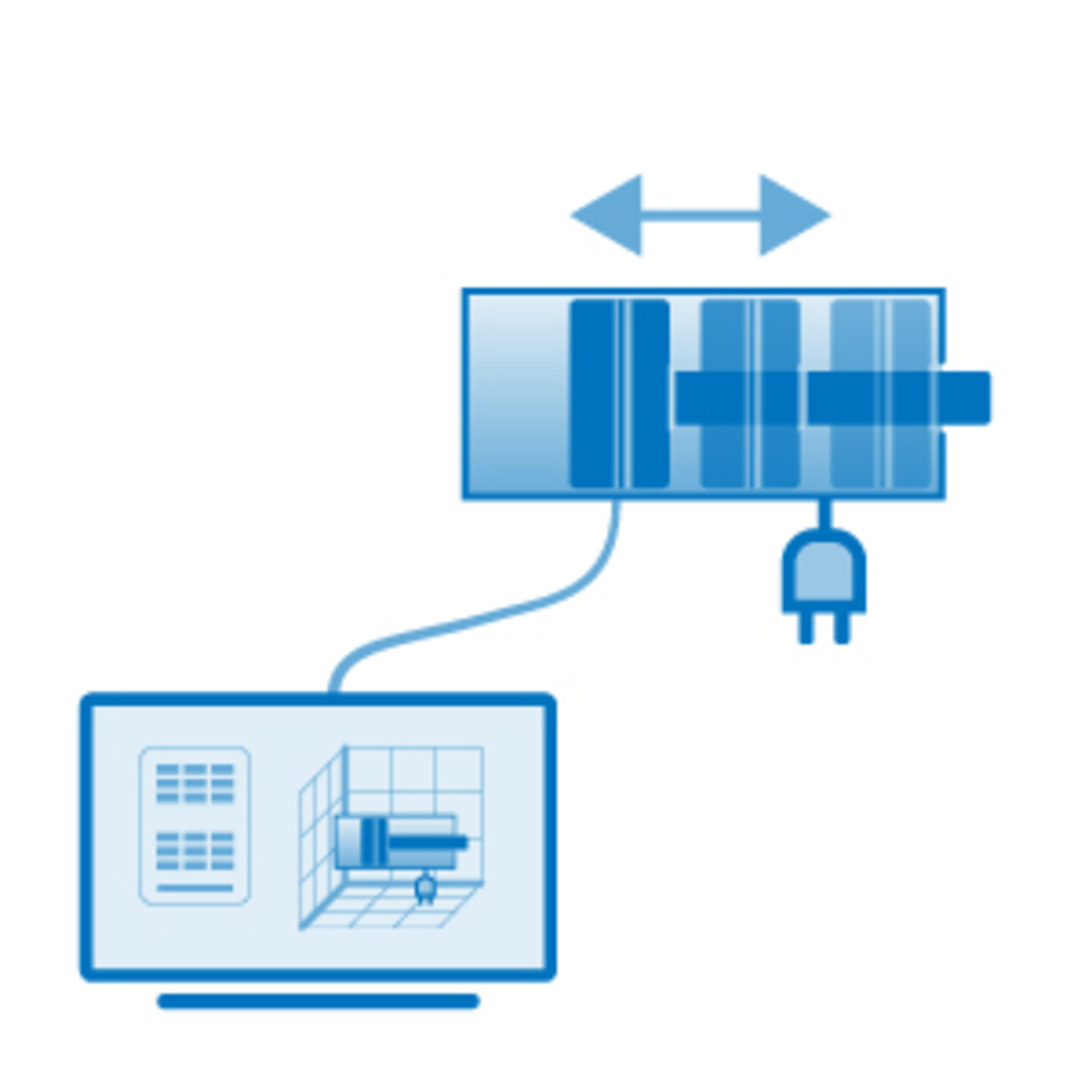
Set of systems and techniques responsible for regulating and coordinating the displacement, speed, position, and acceleration of moving elements within an automated process. It is based on the integration of devices such as motors, drives, sensors, and controllers, enabling the execution of precise, synchronized, and repeatable movements, optimizing performance, process quality, and system efficiency.

Set of devices responsible for converting electrical energy into mechanical energy to generate motion within an automated process. It includes different types of motors and drive elements that allow the adjustment of speed, torque, and position, enabling precise and efficient control of machines and industrial systems.